
The ancient Persian beauty guide: 5 Iranian beauty remedies that still deliver results
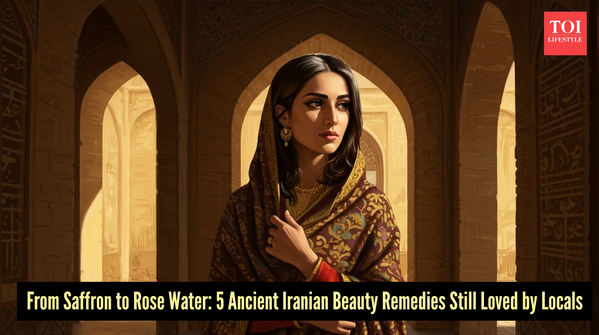
Persian beauty secrets for you!
For centuries, Persian beauty rituals have blended science, tradition, and nature to create some of the world’s most enduring skin and hair care practices. Long before sheet masks and modern serums, Iranian women heavily relied on herbal and natural infusions to achieve a radiant complexion and lustrous locks. Many of these DIY remedies have survived generations and are widely used across the globe and in Iranian homes and hammams today.
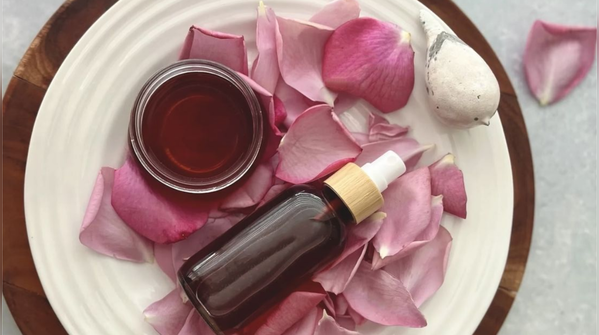
Rose water for glowing skin
Rose water has been a cornerstone of Persian beauty for over a thousand years. Produced extensively in Kashan, Iran’s popular rose-growing region, it is known for its hydrating, soothing, and anti-inflammatory properties. Locals use it as a facial toner post-cleansing, mix it with homemade face masks, and also use it as a natural makeup-setting mist. Rose water remains one of the most beloved ingredients in Iranian skincare and is used worldwide for its rich properties.
(Image Credits: Pinterest)
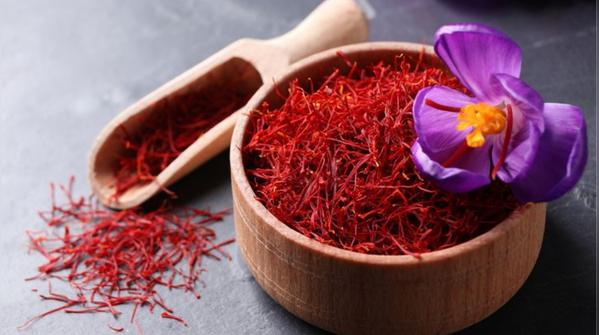
Saffron face masks for skin brightening
Also known as ‘red gold', saffron has been a treasured element in Persian culture for centuries. Ancient Persian women believed saffron could improve the skin complexion and bring warmth with soft radiance. You can mix saffron with yoghurt and honey for a brightening mask, add it to milk-based facial treatments, and combine it with rose water for an instant glowing face pack.
According to a study published in the Journal of Herbal Medicine, saffron extract promotes collagen synthesis and increases hyaluronic acid production, which keeps our skin plumped and hydrated.
https://www.sciencedirect.com/science/article/abs/pii/S2210803323000076
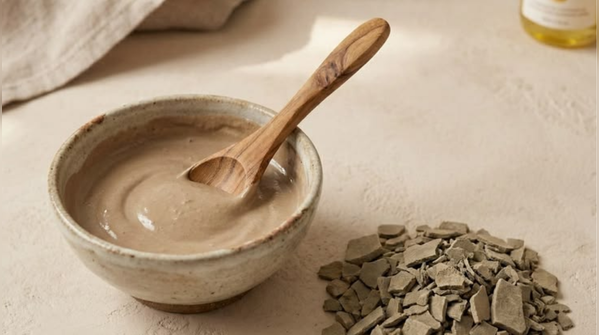
Rhassoul and Persian clay skin treatments
Traditional clay masks have long been part of Iranian hammam culture, and various mineral-rich clays are still used to absorb excess skin oil, improve overall appearance and texture, and cleanse the skin. Iranians use them as weekly deep-cleansing face masks, scalp detox treatments, and body wraps in traditional bathhouses. The minerals in these natural clays help draw out impurities while leaving the skin feeling smooth and refreshed.
(Image Credits: Pinterest)
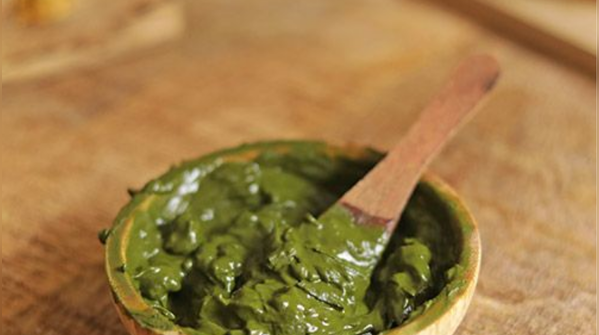
Henna for shiny and long hair
The usage of henna in today’s world has been around for a very long time and is rooted in the Persian tradition of beauty, where henna was viewed as both an all-natural hair colourant and a form of conditioner for the hair. It provides conditioning for your scalp and has benefits that include providing a bit more strength to each and/or every hair strand while also providing a bit more shine and volume, while at the same time giving your hair a subtle reddish-brown colour tone. Many families still make their own henna packs at home based on DIY recipes passed down through generations.
(Image Credits: Pinterest)
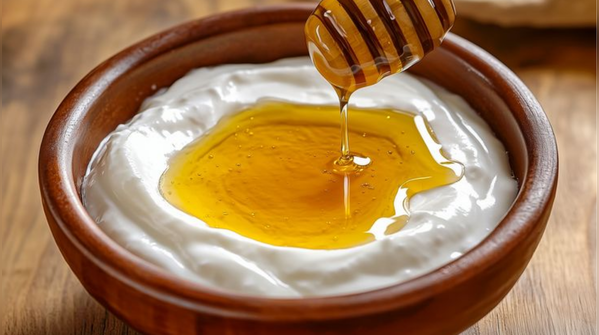
Yogurt and honey masks for soft and supple skin
Hundreds of years ago, Persian families used their cooking ingredients for skin care needs. One of the most well-known combinations is yoghurt and honey. With its high content of lactic acid, yoghurt acts as an exfoliant; honey, on the other hand, acts as a moisturiser, which makes it an excellent choice for hydrating the skin after being exposed to the sun. Additionally, honey makes an excellent glow treatment prior to an event; therefore, yoghurt and honey together make an inexpensive but great choice in skincare.
(Image Credits: Pinterest)
Featured In lifestyle

MORE FROM ETIMES
life & style