Raja Dinkar Kelkar Museum
Raja Dinkar Kelkar Museum
You're Reading


Synopsis
Stocking a pan Indian collection of roughly 20,000 products—ranging from musical instruments, Indian paintings, sculptures and woodwork, to jewellery, puppets, writing instruments and textiles—the Kelkar Museum is a bottomless pit … Read more
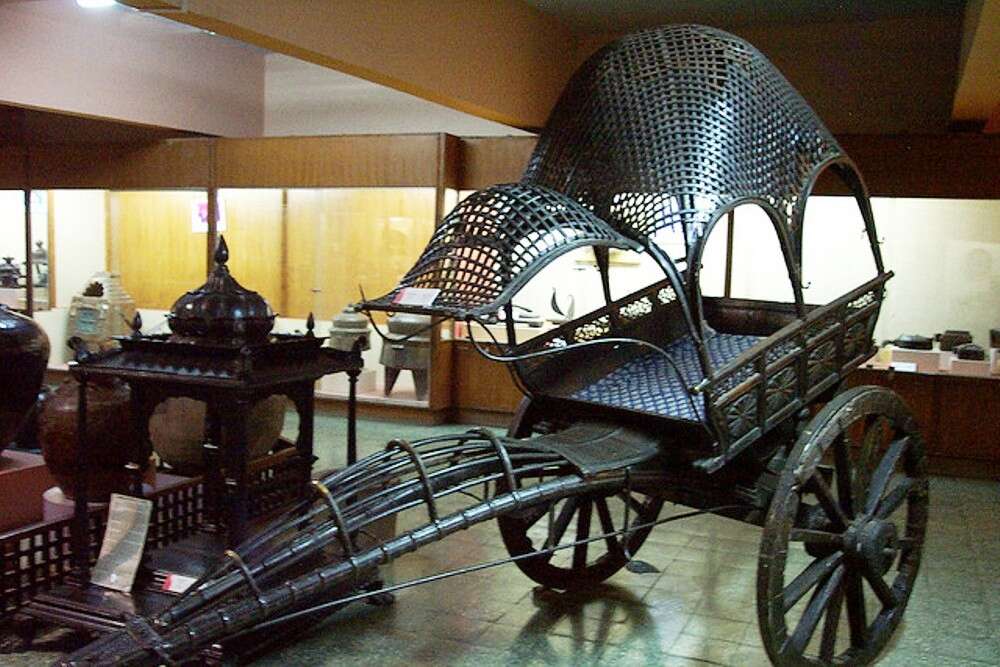
Stocking a pan Indian collection of roughly 20,000 products—ranging from musical instruments, Indian paintings, sculptures and woodwork, to jewellery, puppets, writing instruments and textiles—the Kelkar Museum is a bottomless pit of practical objects used as part of daily Indian life. Everything inside the museum was painstakingly collected over a period of about 40 years by Baba Kelkar, who wanted to create a centre for all things artistic. The ground floor houses a large display of household vessels from the 18th and 19th century, while another floor is dedicated to idols of Ganesha, Shiva and Parvati along with a manuscript and paintings depicting scenes straight out of the Ramayana. Yet another collection reveals the decadent lifestyle of maharajas in the 18th century, and music lovers will appreciate the gallery dedicated to musical instruments (including the personal instruments of some famous musicians like P.L. Deshpande and Ustad Kadarbaksh Khan). One room houses a recreation of Mastani Mahal (built back in 1734), replete with colourful paintings and chandeliers to evoke a sense of luxury. Dr. D.G. Kelkar died in 1990, but his life’s legacy lives on in the museum, which is a must-see for both Indian and international tourists.

closecomments

Be the first one to review.
We have sent you a verification email. To verify, just follow the link in the message
end of article
Next story
Musee de la Civilisation
Visual Stories
10 pretty Indian villages to visit this year-end

8 castles in Germany straight out of a fairy-tale
8 tiger reserves every wildlife enthusiast should visit in India
10 animals that are easily spotted in Ranthambore National Park
How to prepare for a night safari in India?
9 rare animals to spot in the Western Ghats and where to find them
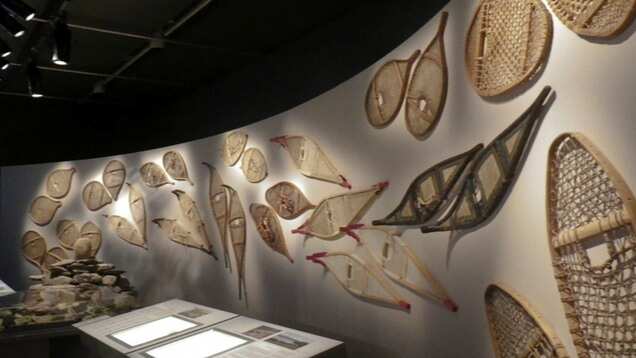


Trending Stories
I usually laughed off ghost stories — until one freezing night in West Sikkim changed everything
India's 'Mountains of Death' is not actually a mountain – what and where is it?
Places that receives highest rainfall in south India during monsoon season
In photos: South India's wildest waterfalls to witness during monsoon season
10 UNESCO World Heritage Sites in India that deserve a spot on every history and nature lover’s bucket list



Comments (0)