India’s most unique nature experiences


 Credit: iStock Credit: iStock |
01
India’s most unique nature experiences
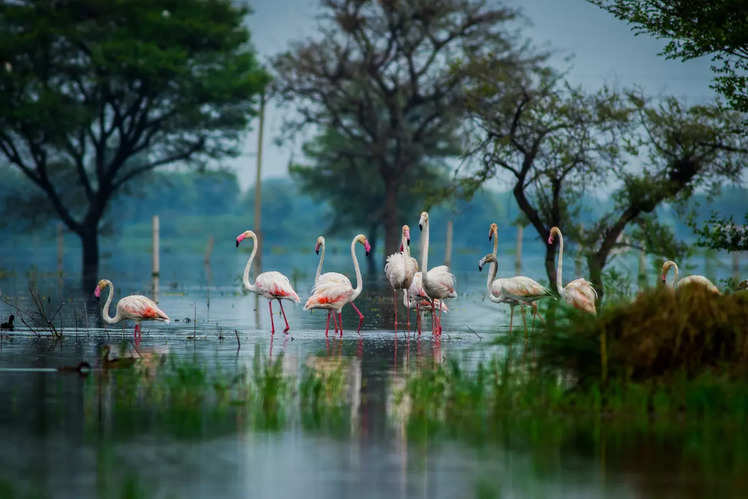
Did you know that Indian wildlife comprises 45,000 species of flora and 91,000 species of known fauna? India enjoys diverse physical features and climatic conditions, due to which there are mountain ranges, arid desert, ancient grasslands, dense forest cover, lush mangroves and long coastal belt. This mixed environment is why India has such diverse wildlife.
Surprisingly, even with this megadiversity, the wildlife scene in India is not as popular as it should. For many, wildlife in India means sher –Bengal tiger or the Asiatic lion, bhaalu–sloth bear and haathi–wild elephants. Most of the natural excursions in the country revolve around these, and we are not saying it shouldn’t; but when tunnel vision sets in, we tend to forget that there are more than 45,000 plant species and 91,000 animal species to talk about.
Here are some of the best and unique wildlife experiences in India for the discerning traveller.
 Credit: iStock Credit: iStock |
02
India’s only ape species
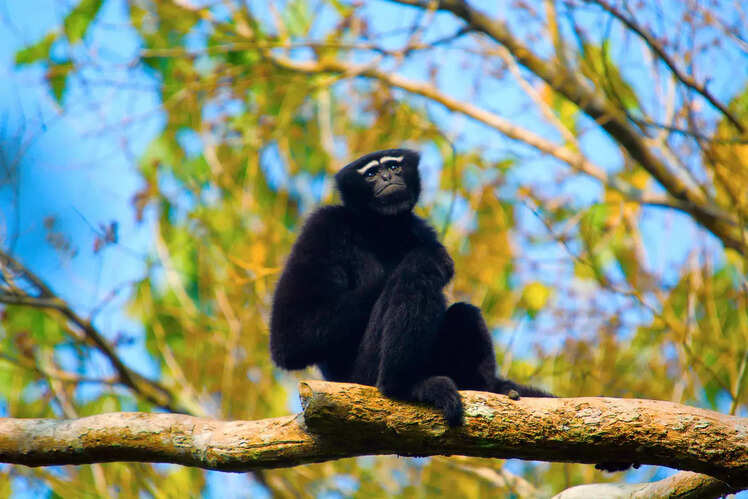
Hoolock gibbons are India's only ape species, and are also endemic. In India, they are only found in the forests of Assam and Arunachal Pradesh. The Hollongapar Gibbon Sanctuary in Jorhat, Assam, is the only sanctuary named after the species. It’s a treat to see them in the wild.
 Credit: iStock Credit: iStock |
03
On the verge of extinction
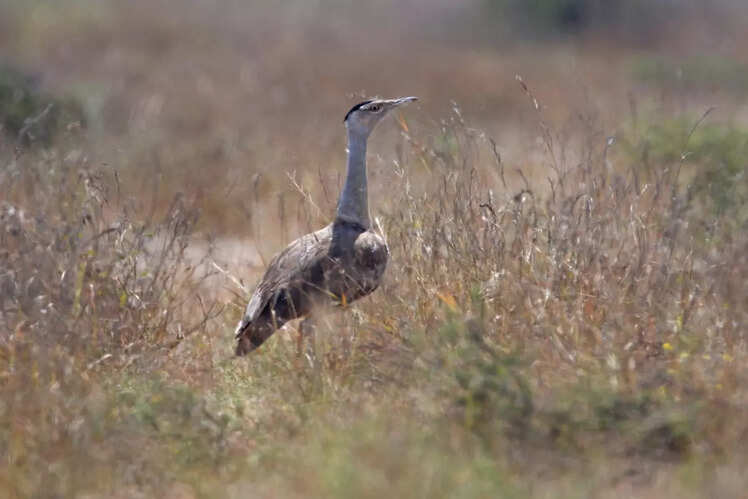
With less than 150 individuals left in the wild and in the whole world, the Great Indian Bustard (GIB) is one of the most important birds in the world. Out of 150, around 122 are in the Desert National Park, Rajasthan, and remaining in Kutch Bustard Sanctuary, Gujarat, and Great Indian Bustard Sanctuary, Maharashtra.
 Credit: iStock Credit: iStock |
04
Rarest flowers of India
Shirui Lily grows only in the upper Shirui hill ranges in Ukhrul district, Manipur. There were failed attempts to grow the lily species in other parts of the state. Shirui hill range continues to be the only place where one can see this flower.
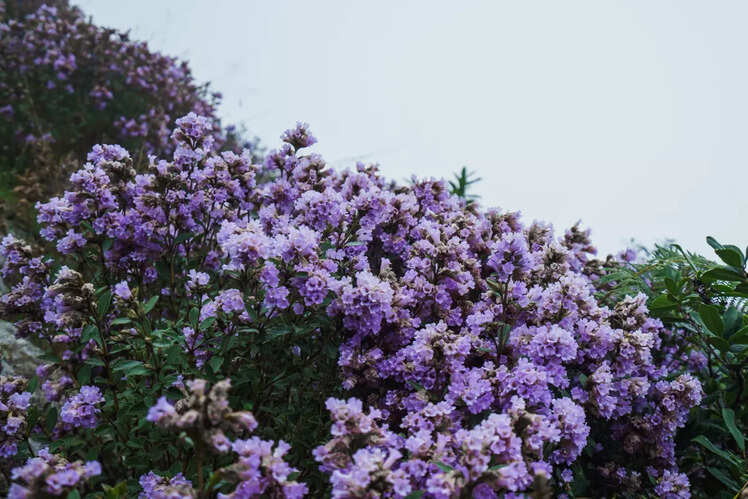
The Neelakurinji flower grows here once in every 12 years and only in the Western Ghats mountain range that falls under Kerala. When they bloom, they bloom with gusto and cover the entire hill range in a shade of blue-purple hue. One will feel extremely lucky to see them bloom, because 12 years is a long time.
 Credit: Public Domain Mark 1.0 Credit: Public Domain Mark 1.0 |
05
See the dolphins
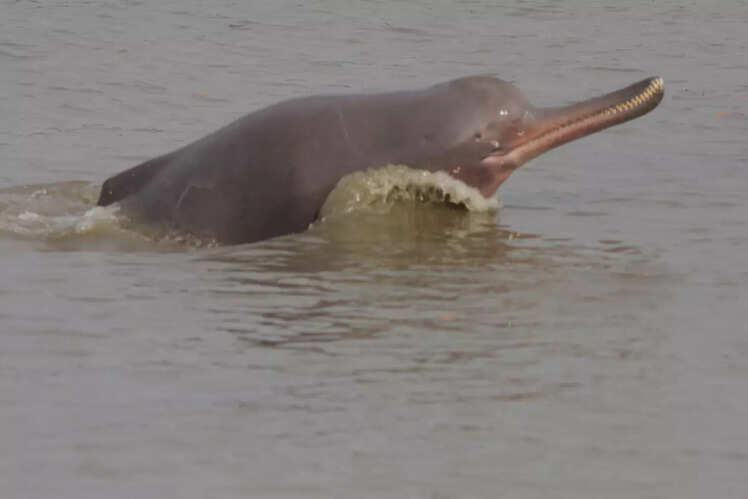
Did you know that the Gangetic dolphins are blind? Millions of years of evolution has made them blind. And while they are blind, their other senses like sound is what gets them around in their habitat. These Gangetic dolphins’ habitat comprises the Brahmaputra river, the Ganges river in Bihar, Jharkhand, Allahabad and Chambal area. Due to this limited habitat and the problem of illegal fishing, their numbers are rapidly declining. River cruises on the Ganges river are the best way to see them in the wild.
 Credit: iStock Credit: iStock |
06
Herping in the Western Ghats
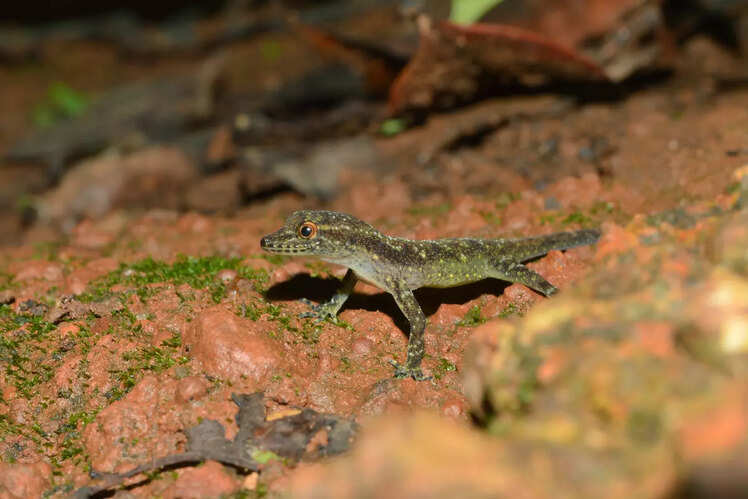
Believe it or not, a lot of recent discoveries of new species of amphibians and reptiles in India is also because of something called Citizen Science. Citizen Science is something that allows non-scientific people to record species and add them to a database that helps the scientific researchers gather information about the habitat and the species. The Western Ghats is one of the best places to visit if amphibians and reptiles are your thing.
During the monsoon season, there are many herping trips organised by the Bombay Natural History Society in the Western Ghats region of Amboli, Agumbe, Matheran, Coorg, among other places. Arunachal Pradesh is also a great place to go herping.
Visual Stories
Right arrow
Travel
10 pretty Indian villages to visit this year-end

Travel
8 castles in Germany straight out of a fairy-tale
Travel
8 tiger reserves every wildlife enthusiast should visit in India
Travel
10 animals that are easily spotted in Ranthambore National Park
Travel
How to prepare for a night safari in India?

Travel
9 rare animals to spot in the Western Ghats and where to find them

Travel
10 must-visit Indian cities starting with the letter ‘V’
Travel
From tigers to caracals: Top destinations in Rajasthan to spot big cats
Travel
10 things to know before going on a tiger safari in Tadoba-Andheri Tiger Reserve
Travel
8 deadliest snakes that live in the forests of Amazon
Join Us On FacebookClose

closecomments

Be the first one to review.
We have sent you a verification email. To verify, just follow the link in the message
Trending Stories
IMD warns of intense heatwaves and heavy rain across these popular tourist regions in India; what travellers need to know
10 items travellers are not allowed to carry in hand baggage (number 5 might surprise you)
10 underrated wildlife destinations in Asia that are less crowded than popular safari parks
India’s most scenic monsoon road trips: safety tips travellers should know
Visiting the “Cobra Capital of India”; what travellers need to know about the home of the world’s longest venomous snake
From family albums to ‘Instagram reels’: How social media completely changed the way we travel
IMD issues ‘Orange’ alert for heatwave across Central India: What travellers need to know before planning trips
What is Grocery Store Tourism, and why are travellers picking this over traditional sightseeing?
Air travel humour: Husband complains about stolen window seat on flight — air hostess uncovers hilarious truth
Secrets of Kedarnath Temple: 10 fascinating facts every traveller should know



Comments (0)