A guide to the Great Himalayan National Park


 Credit: iStock Credit: iStock |
01
A guide to the Great Himalayan National Park
When we talk about national parks in India, the first thought that comes to mind is the central part of the country with sprawling sal forests and tigers. Then maybe the dense forests of the Western and Eastern Ghats that constitute most of the national parks in the southern part of India. But what about the ones that we have in alpine zones, areas surrounded by rugged Himalayan peaks?
The Great Himalayan National Park is one of the most prominent national parks in the Himalayan region in India. It is also one of the larger national parks in India in terms of area. Here are some of the things you need to know about this, surprisingly, lesser-known national park.
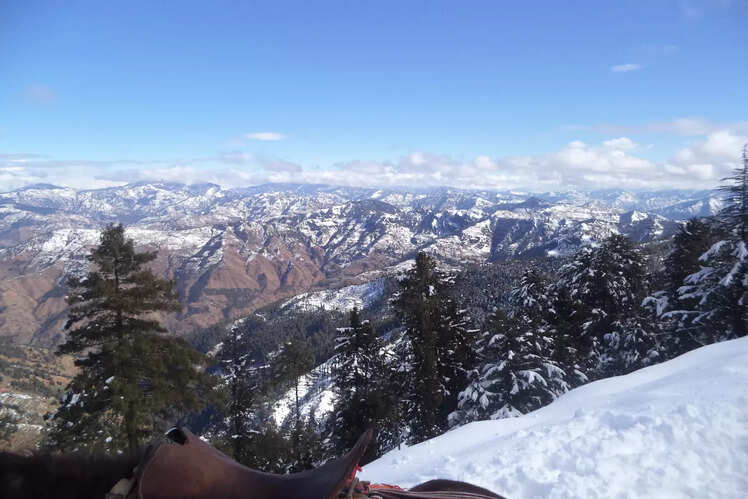 Photo by: Pbhuker007, Creative Commons Attribution Licence Photo by: Pbhuker007, Creative Commons Attribution Licence |
02
The Great Himalayan National Park
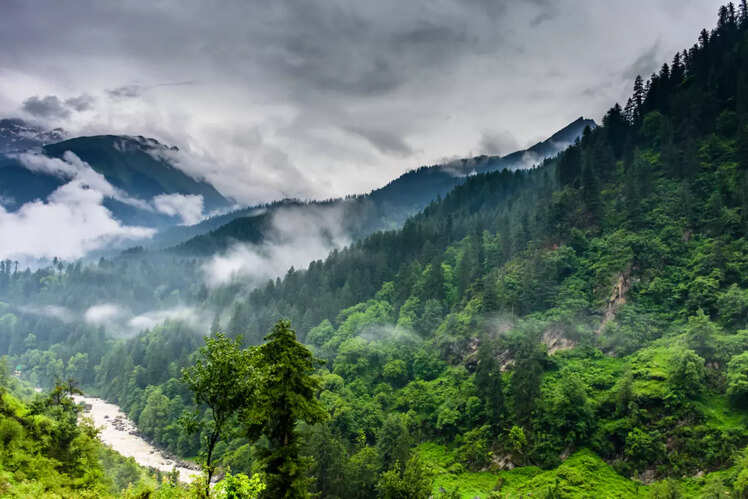
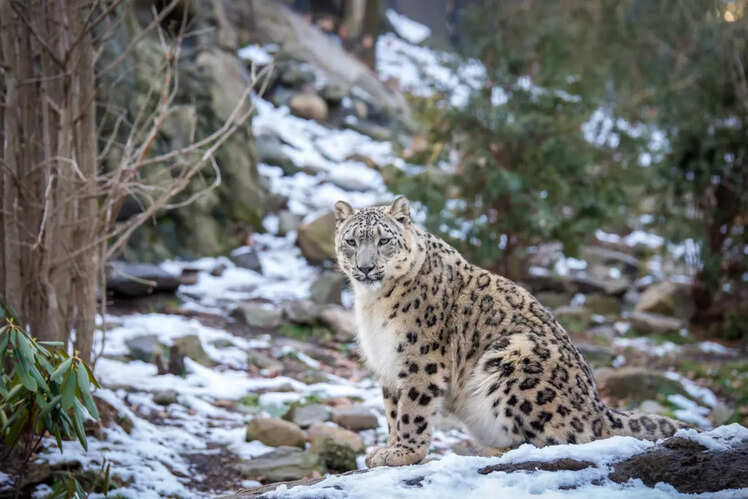
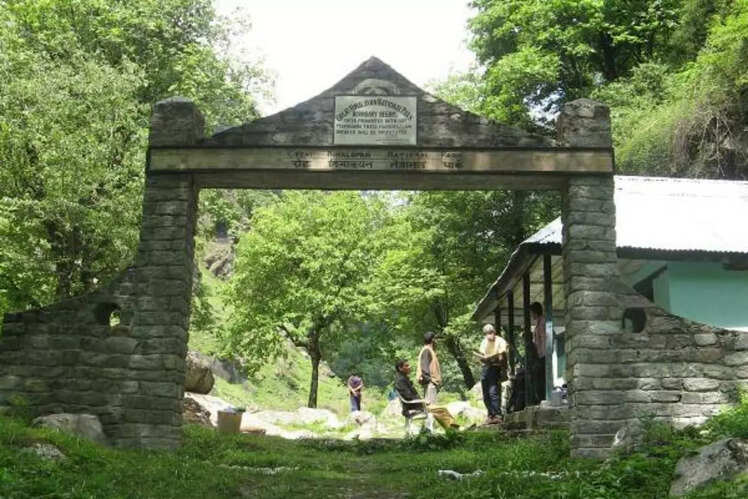
The Great Himalayan National Park, established in 1984, is located in the Banjar sub-division of Kullu district in Himachal Pradesh. Spread across a total area of 1171 sq km, the national park is one of the larger national parks in India. The park is a stunning mix of lush coniferous forests, meadows, glaciers and mountain peaks. This mixed feature is the reason why the park is home to a very large and mixed variety of flora and fauna. Most iconic one being the elusive snow leopard.
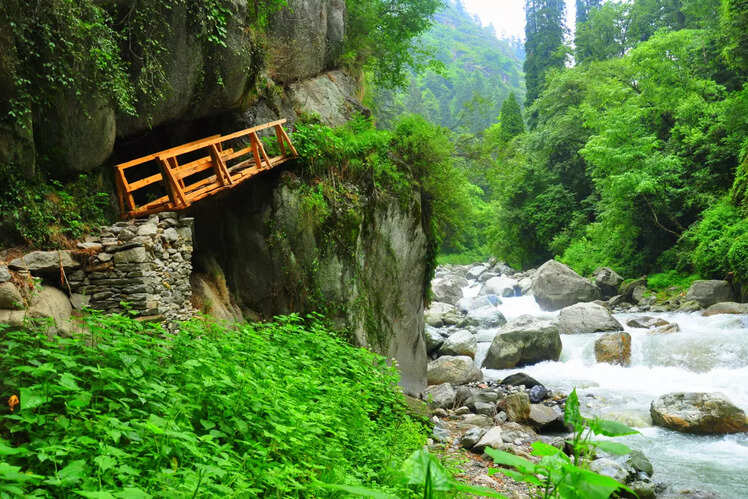 Photo by: Ankitwadhwa10, Creative Commons Attribution Licence Photo by: Ankitwadhwa10, Creative Commons Attribution Licence |
03
When to visit the Great Himalayan National Park?
Trekking is going to be a big part of the Great Himalayan National Park experience. So, weather plays the most important role here. Monsoon is not a great time to visit the park, so maybe you can avoid June. April and May is a good time to see the wildlife as this is the time when the animals come to the lower altitude areas; October is a great time to see the changing colours of the forest; winter, though most of the trekking routes will be covered in snow, some parts of the park may still be accessible. The park is open throughout the year but like mentioned earlier, weather conditions play a vital role here.
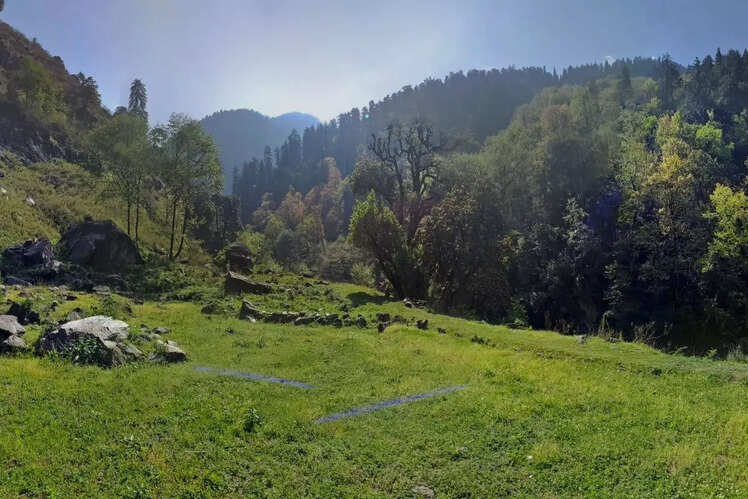 Photo by: Photos Worldwide, Creative Commons Attribution Licence Photo by: Photos Worldwide, Creative Commons Attribution Licence |
04
Why should one visit the Great Himalayan National Park?
The Great Himalayan National Park is a UNESCO World Heritage Site. The park was awarded the status in 2014 as it is one of the most biodiverse regions in the world. The park is a safe home to over 1000 species of plants (medicinal included), 31 species of mammals, 209 species of avifauna and many more endemic insects, amphibians and reptiles. Many of these animals and birds species are globally threatened.
 Credit: iStock Credit: iStock |
05
Rare wildlife of the Great Himalayan National Park
The park is home to some of the rare plant, bird and animal species. Animals like the bharal (blue sheep), common leopard, snow leopard, Himalayan brown bear, Himalayan tahr, musk deer and serow are all protected under the Indian WIldlife Act. Out of these, the elusive snow leopard and the Himlayan musk deer fall under the Endangered category, and the Himalayan Tahr under Near Threatened with population decreasing. The park is also home to the endangered western tragopan, lammergeiers, Himalayan griffon vultures and golden eagles.
06
How to reach and explore the Great Himalayan National Park?
The nearest airport is at Bhuntar in Kullu, about 60 km from the park. Closest railhead is 143 km away at Joginder Nagar, near Mandi. There are regular trains to Joginder Nagar from Delhi and Chandigarh. You need a permit to enter the Great Himalayan National Park. The permit can be obtained from the forest department’s head office at Shamshi and zonal offices at Shairopa and Ropa. For Indians, it is INR 100 per day and for foreign nationals, it is INR 400 per day.
Visual Stories
Right arrow
Travel
10 pretty Indian villages to visit this year-end

Travel
8 castles in Germany straight out of a fairy-tale
Travel
8 tiger reserves every wildlife enthusiast should visit in India
Travel
10 animals that are easily spotted in Ranthambore National Park
Travel
How to prepare for a night safari in India?

Travel
9 rare animals to spot in the Western Ghats and where to find them
Travel
10 must-visit Indian cities starting with the letter ‘V’
Travel
From tigers to caracals: Top destinations in Rajasthan to spot big cats
Travel
10 things to know before going on a tiger safari in Tadoba-Andheri Tiger Reserve

Travel
8 deadliest snakes that live in the forests of Amazon
Join Us On FacebookClose

closecomments

Be the first one to review.
We have sent you a verification email. To verify, just follow the link in the message
Trending Stories
10 items travellers are not allowed to carry in hand baggage (number 5 might surprise you)
10 underrated wildlife destinations in Asia that are less crowded than popular safari parks
India’s most scenic monsoon road trips: safety tips travellers should know
Visiting the “Cobra Capital of India”; what travellers need to know about the home of the world’s longest venomous snake
From family albums to ‘Instagram reels’: How social media completely changed the way we travel
IMD issues ‘Orange’ alert for heatwave across Central India: What travellers need to know before planning trips
What is Grocery Store Tourism, and why are travellers picking this over traditional sightseeing?
Air travel humour: Husband complains about stolen window seat on flight — air hostess uncovers hilarious truth
Secrets of Kedarnath Temple: 10 fascinating facts every traveller should know
5 India’s most stunning stepwells that feel straight out of a fantasy world



Comments (0)