In photos: World's most captivating tribes


 Credit: iStock/Panchali Dey Credit: iStock/Panchali Dey |
01
In photos: World's most captivating tribes
Tribes are groups of people who share a common language, ancestry, culture, and distinct beliefs, customs, and traditions. These have been passed down through generations, and often have deep connections with the land and environment.
If you are intrigued, here is a look at some of the world’s most captivating tribes that you should know about.
 Credit: iStock Credit: iStock |
02
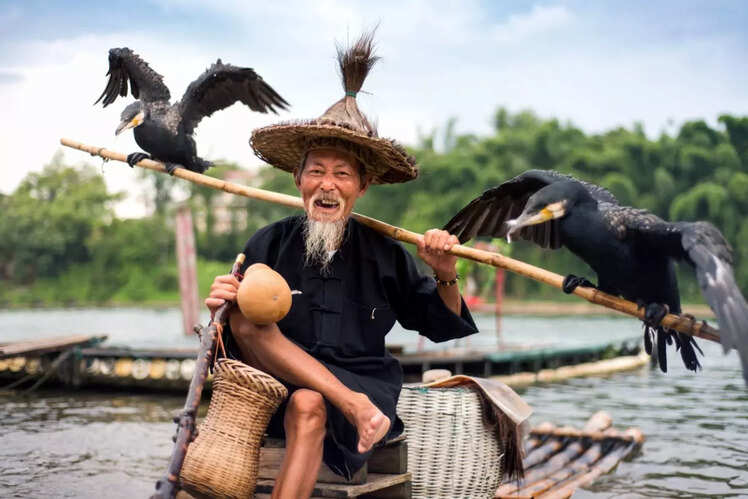
Yang Shuo Cormorants, China
Yangshuo county in Southwest China’s Guangxi province has managed to preserve a dying art that dates back more than 1,300 years - fishing with cormorants. The fishermen use a loose collar around the throat of the cormorant, which they have trained to catch fish, while the noose prevents the bird from swallowing their catch and allows the fishermen retrieve the fish when they return to the boats.
 Credit: iStock Credit: iStock |
03
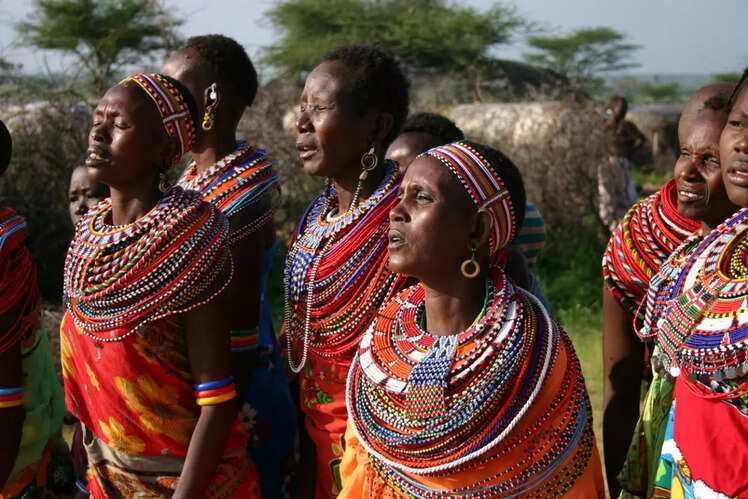
Samburu Tribe, Kenya
This tribe can be found in the north of equator in the geographically fascinating Samburu County of Northern Kenya. They are closely related to the Maasai tribe who also live in East Africa, and both these tribes also speak a similar language. Just like the Maasai, the Samburu tribe are a semi-nomadic people. Do note that the Samburu people have still not parted with old customs, and are still connected to their roots.
 Credit: iStock Credit: iStock |
04
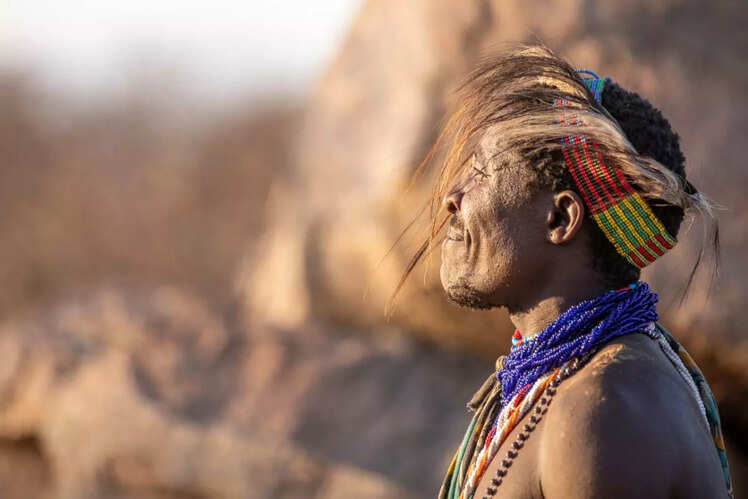
Hazda, Tanzania
Living in northern Tanzania, the Hadza are modern hunter-gatherer people. With a population of around 1,300 members, they are considered as one of Africa's final remaining hunter-gatherer groups. Their ancestral territory encompasses the Eyasi Valley, and the nearby hills. They also hold a significant interest for anthropologists as they offer a link into modes of human existence and survival that have been largely abandoned by the majority of the global population.
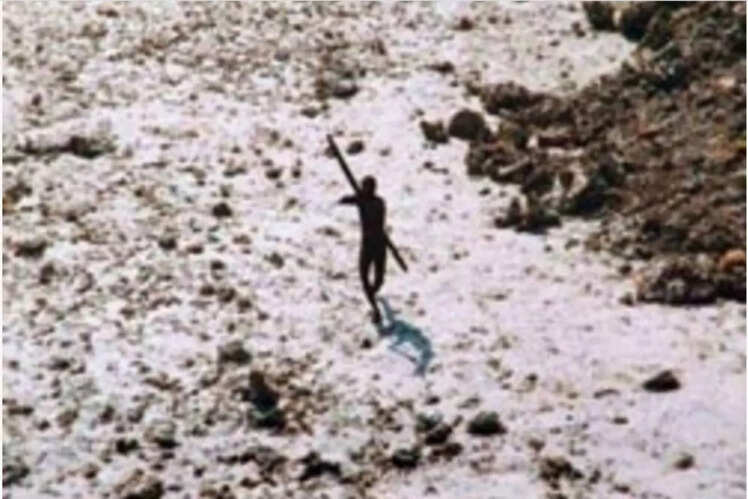 Photo courtesy: Indian Coastguard/Survival Photo courtesy: Indian Coastguard/Survival |
05
Sentinelese, the Andaman
It would be safe to say that the Sentinelese are the world’s most isolated tribes, and have managed to capture the imagination of millions from across the world over the years. Till date, they have not come into contact with the modern world, and continue to live on their own small forested island called North Sentinel, which is approximately the size of Manhattan. If reports are to go by, they continue to resist all contact with outsiders, and tend to attack anyone who comes near.
 Credit: iStock Credit: iStock |
06
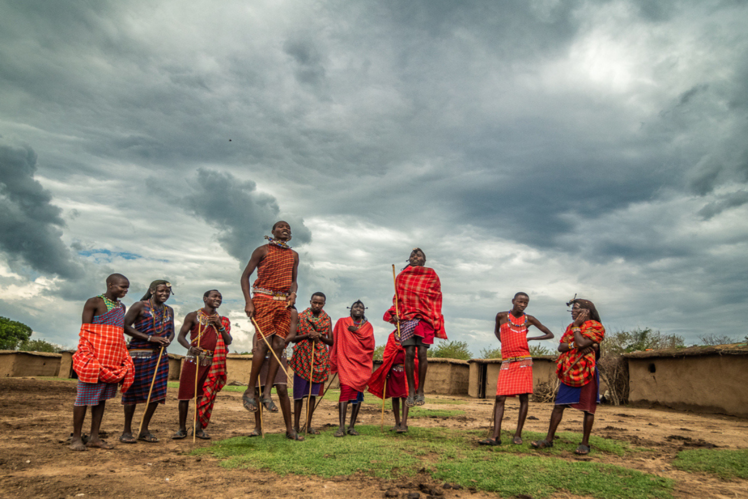
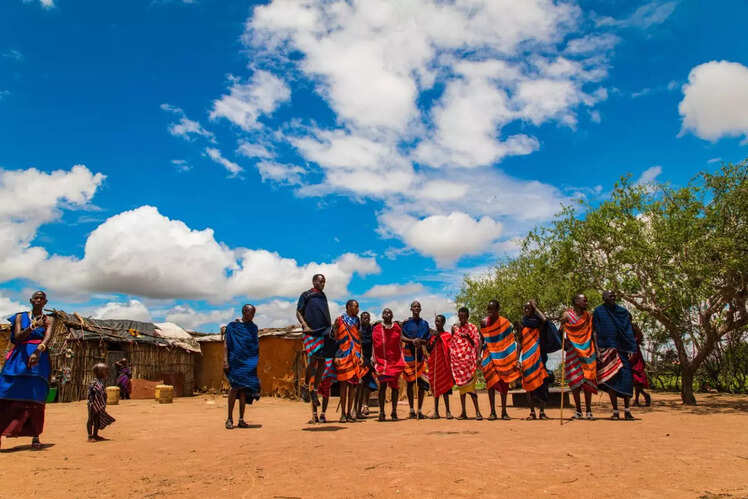
Maasai, Kenya and Tanzania
The Maasai tribe constitutes an indigenous ethnic ensemble in Africa, which include semi-nomadic populations that have established settlements in both Kenya and northern Tanzania. Their unique customs, traditions, attire, and proximity to the abundant national game reserves of East Africa have elevated the Maasai to a prominent status among African ethnicities. Their international recognition is also hugely attributed to their close association with national parks and reserves in the region.
 Credit: iStock Credit: iStock |
07
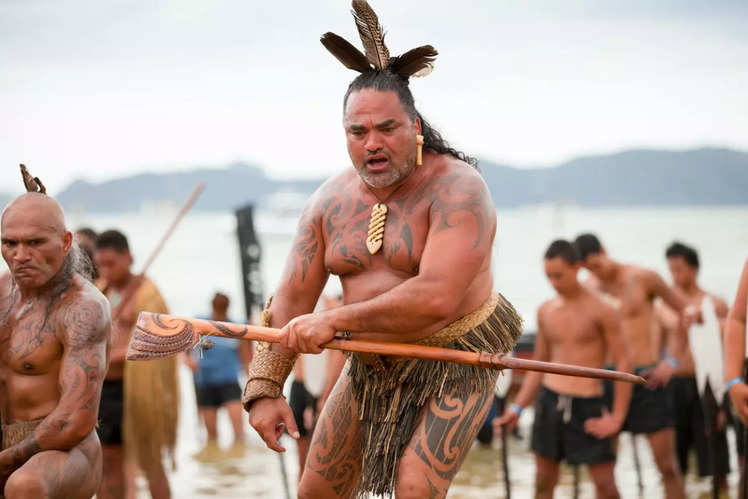
Maori, New Zealand and French Polynesia
The term Māori refers to the native inhabitants of New Zealand, as well as their language. As per the records, both the term and the people of this tribe are a fusion of diverse Polynesian cultures, who have been believed to have reached New Zealand over a millennium ago. Famed for their distinct traditional practice of intricate full-body and facial tattooing, the Māori people hold a distinctive position globally as indigenous individuals with complete legal rights.
 Credit: iStock Credit: iStock |
08
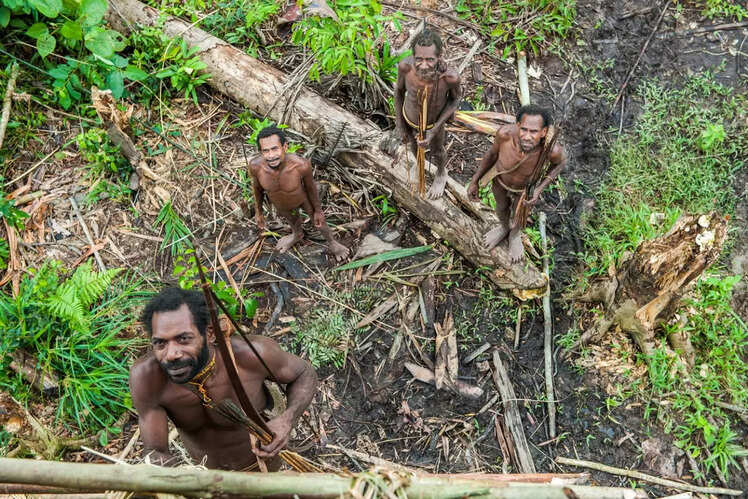
Korowai Tribe, Papua New Guinea
You will be intrigued to know that this fascinating tribe was only recently discovered in Papua New Guinea. There have been no previous records of them until the 1970s. In fact, scientists opine that the tribe might have been under the belief that no one else even existed other than themselves.
One of the most interesting engineering feats that this primitive and isolated tribe managed to achieve is their ability to build big tree houses at 140 ft high in the jungles, which were actually designed to protect themselves from rival villages. One could access these structures only via wooden ladders, which were placed up against the stilts.
 Credit: iStock Credit: iStock |
09
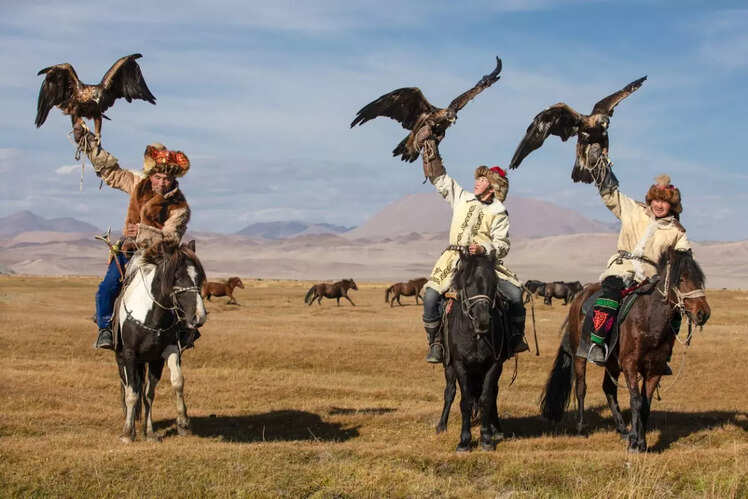
Kazakh Tribe, Mongolia
The Kazakhs residing in Mongolia are actually part of a broader community, which is primarily found in today’s Kazakhstan. Historically, the Kazakhs were semi-nomadic tribes with a strong equestrian tradition, and roaming around places like the Ural Mountains, and various parts of North and Central Asia in Eurasia. The term Kazakhs specifically refers to individuals of the Kazakh ethnic background, whereas Kazakhstani refers to people from Kazakhstan, encompassing all the diverse ethnic groups within the country.
Likewise, not all inhabitants of Mongolia are of Mongolian descent; among them are Kazakhs and other ethnic minorities. For your information, the Kazakh population within Mongolia forms the largest non-Mongolian ethnic group.
Visual Stories
Right arrow
Travel
10 pretty Indian villages to visit this year-end
Travel
8 castles in Germany straight out of a fairy-tale
Travel
8 tiger reserves every wildlife enthusiast should visit in India
Travel
10 animals that are easily spotted in Ranthambore National Park
Travel
How to prepare for a night safari in India?
Travel
9 rare animals to spot in the Western Ghats and where to find them
Travel
10 must-visit Indian cities starting with the letter ‘V’
Travel
From tigers to caracals: Top destinations in Rajasthan to spot big cats
Travel
10 things to know before going on a tiger safari in Tadoba-Andheri Tiger Reserve

Travel
8 deadliest snakes that live in the forests of Amazon
Join Us On FacebookClose

closecomments

Be the first one to review.
We have sent you a verification email. To verify, just follow the link in the message
Trending Stories
Travel advisory: IMD warns of dangerous heat across these states, and heavy rain in hill states – What travellers need to know
7 summer-perfect national parks in India promising an unforgettable escape; best time to visit and more
7 coolest small towns in India to escape the summer heat in 2026
10 hottest places in India today and things travellers should know before visiting
8 Indian villages that feel straight out of a fairytale and are perfect for a slow travel escape
Indian Railways launches first Bharat Gaurav Tourist train to Nepal: Route, fare, itinerary and what travellers should know
From Sapera to Irulas: Famous snake tribes of India and why they fascinate travellers from the world over
6 incredible animals that are found only in India, and where tourists can see them
Russian traveller, now settled in India, shares 12 things that surprise her the most in this country
This remote village in Russia wakes up to “Hare Krishna”; how Indian travellers can reach here



Comments (0)