Char Dham tourism, and the need to balance economy with ecology
- Swaminathan Anklesaria Aiyar
- Updated: May 09, 2026, 18:58 IST IST
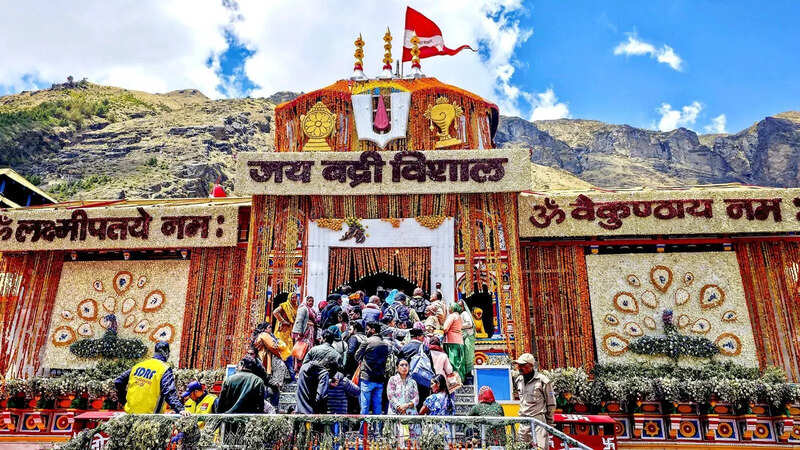
The Char Dham season has just begun. Religious tourism is exploding at the four Himalayan shrines of Badrinath, Kedarnath, Gangotri and Yamunotri. Tourists to Badrinath increased between 2014 and 2024 from 1.8 lakh to 14.35 lakh, an eightfold increase. Tourists to Kedarnath rose from 40,800 to 16.52 lakh, a forty-fold increase, encouraged by PM Modi’s highly publicised fondness for this Dham. But only slightly less explosive was the increase from 35,000 to 7.5 lakh for Gangotri and from 35,000 to 6.4 lakh for Yamunotri.
The Char Dham Pariyojana has facilitated this explosion. It is a Rs 12,000 crore project to widen roads and provide motorised access to pilgrimage sites. The state govt also plans ropeways to haul tourists over difficult stretches. Till now, tourists had to walk the final stretch from Gaurikund to Kedarnath. But a new ropeway will soon cut the nine-hour trek to a 36-minute ride. The huge rise in tourists is a great success for the state govt. India is a very religious country in which pilgrimage is a top spending priority of Hindu families as incomes rise. Uttarakhand gains financially from the boom, which is an important source of investment (in shops, hotels) and employment.
The Char Dham Pariyojana has facilitated this explosion. It is a Rs 12,000 crore project to widen roads and provide motorised access to pilgrimage sites. The state govt also plans ropeways to haul tourists over difficult stretches. Till now, tourists had to walk the final stretch from Gaurikund to Kedarnath. But a new ropeway will soon cut the nine-hour trek to a 36-minute ride. The huge rise in tourists is a great success for the state govt. India is a very religious country in which pilgrimage is a top spending priority of Hindu families as incomes rise. Uttarakhand gains financially from the boom, which is an important source of investment (in shops, hotels) and employment.