
- News
- India News
- Times Evoke News
- 'Nature is offering us crucial lessons today — we must heed them'
Trending
This story is from July 11, 2020
'Nature is offering us crucial lessons today — we must heed them'
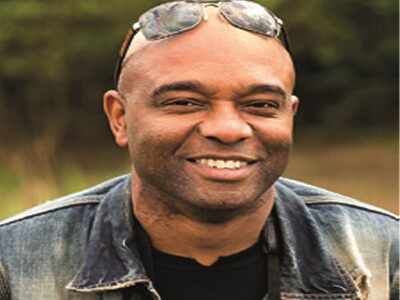
David Lindo is a well-known British nature conservationist, educator and urban birder
Born in London, I was drawn to urban birding — I was interested in birds from my childhood. But I had no one to take me on trips to see them and most people said birds could anyway only be seen in the countryside. I couldn’t really go to the countryside though, so I decided to just watch the birds around me — and I realised there were so many wonderful, astonishing birds right there, in the heart of the city.
: Lockdowns helped many to notice nature anew. This enthusiasm can inspire change. (Photo: Getty Images)
Over the last 15 years, I’ve seen a substantial rise in people’s interest in urban birding. Now, during the pandemic, people are simply fascinated. Many have been filming the most surprising birds, seen simply from their balconies. Being mostly at home, many people are noticing birds almost for the first time. In Europe, people have been contacting me in sheer wonder, saying, I can’t believe there are so many beautiful birds nesting and singing away where I live. People are thrilled to discover these birds today — it’s literally lifted their hearts. And once people make this connection, they want to learn more about these birds’ habits and habitats.
Watching birds is very good for your mental well-being. I was locked down in Spain, which had the toughest measures across Europe. We were at home for about 60 days. It was difficult — what saved me was sitting on the terrace and watching birds. Nothing gives you more joy than to see sparrows or an eagle fly by. So many people are just happy to open their windows and hear birdsong — it helps enormously.
Many of us are realising the value of this, which we overlooked before the pandemic. If we didn’t have nature around us now, this would have been a very tough time. When you are in touch with nature though, it makes you feel connected to something much bigger than yourself. People are appreciating that connection today.

But whether this will lead to people significantly re-evaluating their behaviour towards nature, my feelings are both yes and no — yes, because some people have really taken the pandemic’s lessons on board. Since the lockdowns began, they’ve thought deeply about why this has even happened. And they’ve tried to change their ways, by consuming more responsibly or turning vegan or vegetarian and making introspective, wiser decisions towards the environment. But many others haven’t done so. In England, for instance, when people were allowed to visit beaches, they left behind tons of rubbish. This act implies that they have not learnt anything.
Given this, it is even more important to reach out to the people who are learning. As a conservationist, I feel it’s vital to connect with these people in every manner possible. On my part, in the autumn, I will be launching a worldwide urban birders club, on my website: www.theurbanbirderworld.com We aim to unite birders globally — and to encourage introspection on what nature gives us, and how we can give back.
The fact is, we face much larger catastrophes than the pandemic. I feel frightened when I think about climate change. I feel apprehensive for our children’s future. And I feel amazed that we’re just carrying on heedlessly, despite the mass extinctions, the ecological destruction, the science showing us that this virus emerged due to humans disturbing the natural world. All this should be enough to inspire us to change our ways. But many of us don’t seem to want to try. So, those of us who are ready to change will have to do more, both by way of our own individual behaviour and inspiring others. It’s a very valuable endeavour because every bit of change matters now. Nature’s giving us joy — but we cannot afford to overlook the lessons it’s teaching us. In our urban lives and our constant consuming, we have forgotten that we are very much a part of nature. Recalling that is essential now — both for our lives and our souls.
Stay updated with the latest India news, weather forecast for major cities like Delhi, Mumbai, Noida, and Bengaluru on Times of India.
End of Article
FOLLOW US ON SOCIAL MEDIA





Photostories

Hot Picks
TOP TRENDING
Explore Every Corner
Across The Globe
Virat Kohli Dance CelebrationIndian Cricket Team Bus ParadeChampions Trophy WinnersRavindra Jadeja RetirementGulmarg Fashion ShowMark CarneyTaylor SwiftSudiksha KonankiAuston MatthewsDavid CoulthardMark CarneySudiksha KonankiMhow ViolenceLalit ModiChampions Trophy Prize MoneyShoaib AkhtarElon Musk LoseRadoslaw SikorskiKarun ChandhokKerala Student DiesGhazipur MurderCBSE Class 10 Math PaperVolodymyrZelenskyySmallCap StocksBank Holidays in MarchPublic Holidays in MarchPrince FrederikElon MuskWhat is Daylight Saving TimePennsylvania Plane Crash
Hot on the Web
RJ MahvashHolika Dahan 2025Nilu KohliPanipat WeddingHoli 2025X DownAthiya ShettyKarnataka WeatherOkra Water BenefitsVivek OberoiVirat KohliOptical illusionHoli Muhurat TimingsHoli WishesMagnesium Oil BenefitsChia Seeds BenefitsBlocked Heart ArteriesMark CarneyMandar ChandwadkarChhaava Box Office CollectionAvocado vs. EggNational Parks In USAncient Beauty SecretsGir National ParkHouse RulesPumpkin Seeds BenefitsNASA ImagesDesi FoodsNo River CountriesMS Dhoni
Trending Topics
Taylor SwiftGiannis AntetokounmpoAustin ReavesKylie KelceNBA Trade RumorsTaylor Swift Eras TourTravis Kelce RetirementConnor BrownAlain ProstBucks vs CavaliersDraymond GreenNYT ConnectionsTwitter OutageOJ SimpsonMatthew StaffordCharles BarkleyCharles LeclercAPPSC 2025 Admit CardClippers vs KingsCricketers who Plays for Different CountriesUP BED JEE RegistrationNYT StrandsJujutsu Infinite CodesWordle HintsElon MuskTS ICET RegistrationJIPMAT Registration 2025Mark Carney EducationLive Cricket ScoreIPL Schedule 2025
Popular Categories
HeadlinesSports NewsBusiness NewsIndia NewsWorld NewsBollywood NewsHealth+ TipsIndian TV ShowsTechnologyIPLTravelEtimesHealth & FitnessWWENFLICC Champions TrophyAstrologyWeather TodayHow to watch IPL 2025How to watch IPL in CanadaHow to watch IPL in USAStock Market HolidaysNSE HolidaysBSE HolidaysMCX HolidaysSettlement Holidays List 2025Technology NewsInternational SportsPublic HolidaysBank Holidays
Latest News
Raju Murugan's wife Hema Sinha accuses the management of apartment association of harassment and misconduct“No one left to play the game” : Fans go wild as 10 players pack the penalty box in Capitals vs Kraken gameWill 'Vada Chennai 2' take off? Vetrimaaran answers about his reunion with DhanushCould this game changing element be an answer to the search for alien life?NEET UG 2025 correction window to close on this date: Check details hereKannada actress Ranya Rao sent to judicial custody till March 24 in Rs 12 crore gold smuggling casePriyanka Chopra arrives in Odisha to resume shooting for Mahesh Babu's 'SSMB29''Sorry Jonty, Glenn Phillips is the best fielder': Jonty Rhodes' response delights fans"Second-hand embarrassment": Bill Belichick’s “awkward” moment with UNC football players gets him brutally trolledStarlink fight for Ukraine: Angry Elon Musk tell Polish foreign minister Radoslaw Sikorski, 'Be quiet, small man. You pay ...'Commonwealth Games Federation changes its name to Commonwealth SportSamsung announces offers and deals on smart TVs; avail cashback, zero down payment and more'Dark Winds' season 3: Release date, streaming details, and what fans can expectPhoenix Suns vs Memphis Grizzlies Game Preview (03/10): Starting Five, Injury Report, Start Time, How to Watch, and MoreScott Laughton's Toronto Maple Leafs Debut: A New Chapter is Born within itHow to get this iPhone 16 series iPhone under Rs 55,000300 Indians rescued from Myanmar scam centers, flown home via Thailand'No unnecessary rumours': Ravindra Jadeja dismisses retirement talks after Champions Trophy victory
Copyright © 2025 Bennett, Coleman & Co. Ltd. All rights reserved. For reprint rights: Times Syndication Service