- News
- lifestyle
- health-fitness
- home-remedies
- Camphor vs naphthalene balls: Which one is safer for your health?
Camphor vs naphthalene balls: Which one is safer for your health?
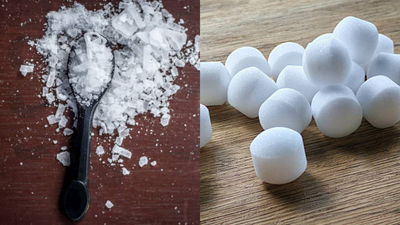
Why we use them in the first place
Naphthalene balls: Effective but risky
Camphor: Natural, but not harmless
Smell doesn’t mean safety
The hidden issue of long-term exposure
A more mindful way forward

About the AuthorTOI Lifestyle Desk
End of Article
Follow Us On Social Media
Health +
Tired of too many ads?go ad free now
lifestyle videos
Featured In Lifestyle

Tired of too many ads?go ad free now

MORE FROM ETIMES
life & styleHot on the Web
Dhurandhar OTT ReleaseMamta KulkarniWill SmithGandhi Talk ReviewRanveer SinghVaranasiMardaani 3 ReviewNortheast DishesGandhi Talks Twitter ReviewRanveer SinghJana NayaganOTT Releases This WeekBhagyashri BorseBorder 2 CollectionAnke Gowda StoryUdit NarayanBorder 2 Movie ReviewArijit SinghVirat KohliPremium Property MarketingRobert BrowningNortheast DishesFebruary 2026 Horoscope PredictionsSeneca QuoteRalph Waldo EmersonGrammy Awards 2026Sunaina RoshanNipah VirusDhurandhar Movie ReviewChandra Grahan 2026William ShakespeareWorld Largest Late Roman HoardPink DolphinsTim CookQuote Of The Day By Richard FeynmanWorld Longest Road TunnelCrocodile RiverApple Products To Launch In 2026Sam Altman QuoteAsteroid 2024 YR4 May Hit MoonHawaiian Happyface Spider
Trending Topics
Latest MoviesBollywood MoviesHollywood MoviesTamil Movies 2026Telugu Movies 2026Malayalam Movies 2026Kannada MoviesMarathi MoviesBengali Movies 2026Top Rated Movies 2026Best Hindi MoviesBest English MoviesBest Telugu MoviesBest Tamil MoviesBest Malayalam MoviesBest Kannada MoviesBest Bengali MoviesUpcoming Hindi MoviesBest Movies Of All TimeBest Hindi Movies of All TimeLatest English MoviesLatest Malayalam MoviesEnglish TV NewsTamil TV NewsTelugu TV NewsMalayalam TV NewsKannada TV NewsMovie ReviewsBhojpuri Cinema NewsGujarati Cinema News
Popular Categories
Viral NewsK Pop NewsWeb Series NewsAnime NewsUpcoming English MoviesUpcoming Tamil MoviesUpcoming Telugu MoviesUpcoming Malayalam MoviesUpcoming Kannada MoviesFashion TipsTravel NewsEntertainment NewsBollywood NewsTollywood NewsKollywood NewsMollywood NewsFood NewsLatest Hindi MoviesLatest Tamil MoviesParenting TipsHome RemediesWeight LossBeauty TipsParenting TipsHindi VideosHindi Video SongsBhojpuri Music VideosLatest Telugu MoviesBhojpuri Music VideoHindi TV News
Latest News
“Is there anything better than beating England?”: Golf icons of football Gareth Bale revives North London rivalry with light-hearted challenge to Theo WalcottStepping into the sun may speed up stroke recovery, AIIMS study suggests; doctor shares key precautionsPM Modi speaks to Venezuela acting president, agree to expand bilateral partnershipAt home, Sanju Samson faces moment of reckoning ahead of World CupRam Charan and Upasana expecting twins, CBFC escalates ‘Jana Nayagan’ dispute, Shraddha Kapoor to team up with Allu Arjun: Top 5 South newsmakers of the dayAquarius Horoscope Tomorrow, January 31, 2026: An understated invitation to change is here, accept it quickly“We have limited resources": Trump’s $100,000 H-1B fee complicates Yale’s hiring of international scholarsWhy Chelsea Handler took parenting classes without ever wanting kidsKate Hudson gives an ecstatic reaction to BAFTA 2026 nomination for the ‘Song Sung Blue’; Here's what she saidPokémon TCG Pocket Handy Card Collection event: All rewards, missions, and moreFlorida couple claims fertility clinic error led to birth of a ‘non-Caucasian child’ not biologically theirsIndian-origin man arrested in Canada for setting his own restaurant on fire for insurance moneyNovak Djokovic edges Jannik Sinner in five-set thriller to reach 38th major final“Thank you, Dallas”: Isiah Thomas’s thank-you note to Dallas over Mark Aguirre’s 1989 tradeNorth West responds to backlash over black grills and says look is temporary: 'Are we okay?'“Zero civic sense…” influencer Amulya Rattan recreates her viral moment as self-parody; watchGoogle CEO Sundar Pichai introduces Genie AI app that he says: Has been playing around with and ...New India Q3 profit up 29% to Rs 826 cr; Health segment drives 48% of business