
- News
- lifestyle
- fashion
- style-guide
- Running shoes vs sneakers: What's the difference and which one should your feet actually be wearing?
Running shoes vs sneakers: What's the difference and which one should your feet actually be wearing?

Running shoes vs sneakers: Which one is best
Let's be honest. Most of us have looked at a pair of running shoes and a pair of sneakers and thought, "Aren't they basically the same thing?"
They both have laces. They both look sporty. And they both sit in the same section of most shoe stores.
But your feet know the difference.
And if you've ever finished a run with aching knees, sore heels or tired feet, there's a good chance your shoes had something to do with it.
The truth is, running shoes and sneakers may look similar, but they're built for completely different jobs. Wearing the right one can make a huge difference to your comfort, especially if you're spending a lot of time on your feet.
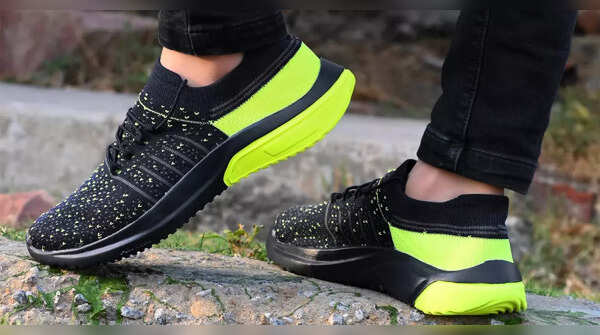
They might look alike, but they're not twins
Think of it like this.
A hatchback and an SUV are both cars. They'll both get you from one place to another. But if you're heading into the mountains, you'll probably want the one designed for tougher terrain.
Shoes work the same way.
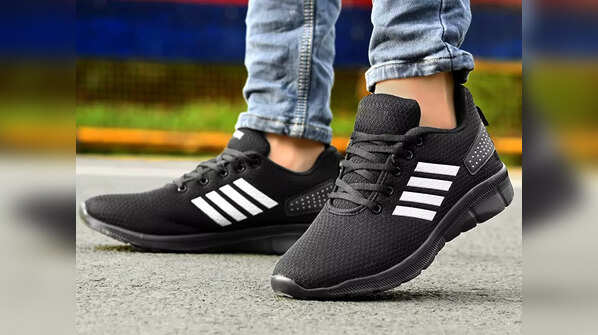
Sneakers are made for everyday life. They're built for walking around, meeting friends, going to college, travelling, shopping, or surviving long office days.
Running shoes are made for something much more specific: running.
That may sound obvious, but running puts a surprising amount of pressure on your body.
Every time your foot hits the ground while running, your joints absorb a significant impact. Do that thousands of times during a run, and your shoes suddenly become very important.
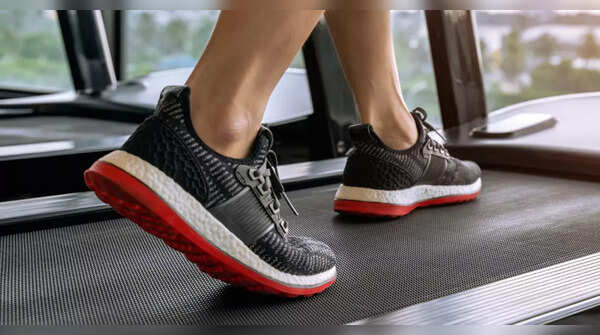
Why running shoes feel different
The first thing most people notice when they wear a proper running shoe is how light it feels.
That's not an accident.
Running shoe brands spend years trying to make shoes lighter, softer and more comfortable without sacrificing support.
The sole is usually thicker. The cushioning is better. The shoe bends where your foot naturally bends. Everything is designed to help you move forward comfortably.
Some modern running shoes almost feel springy, as if they're gently pushing you into your next step.
That's exactly what they're supposed to do.
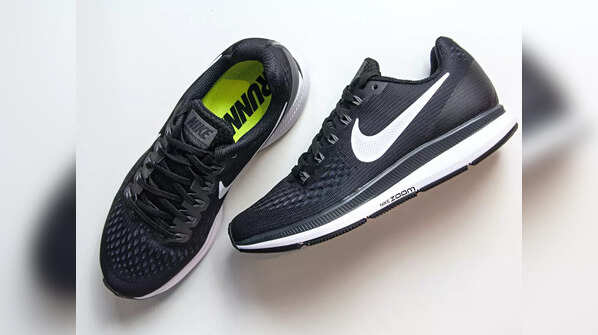
Sneakers are built for daily comfort
Sneakers have a different job.
They're designed to look good and feel comfortable during everyday activities.
You can walk around a mall for hours in a good pair of sneakers. You can wear them to the airport, to work, or for a casual day out.
But that's where many people get confused.
Because sneakers feel comfortable, they assume they'll also work for running.
Sometimes they do.
But not always.
The problem with running in regular sneakers
Picture this.
You decide you're finally going to start jogging every morning.
You throw on your favourite sneakers and head out.
The first day feels fine.
The second day is okay too.
Then a week later, your heels hurt. Your knees feel stiff. Your feet seem more tired than they should.
That's because many sneakers simply aren't designed to handle the repeated impact of running.
They may lack the cushioning, support and shock absorption that running shoes provide.
And while one run won't cause a problem, doing it regularly can start putting extra stress on your feet and joints.
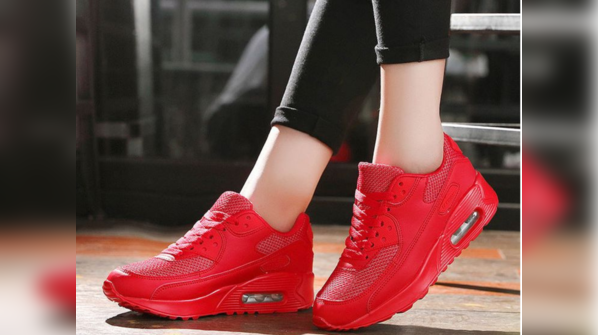
So which one is actually better?
Here's the answer nobody likes hearing.
It depends.
If your day mostly involves walking, commuting, shopping, travelling or office work, sneakers are perfectly fine.
In fact, many people would probably find them more practical than running shoes.
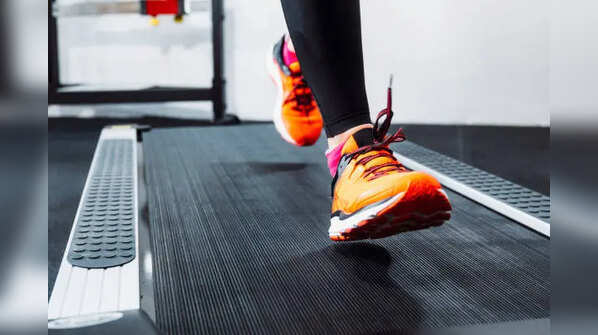
But if you're jogging regularly, using a treadmill several times a week, training for a race or doing any activity that involves consistent running, running shoes are usually the smarter choice.
It's not about marketing.
It's about giving your body the support it needs.(Image Credits: Pinterest)
Your knees will probably thank you
One thing people often underestimate is how much work their joints are doing.
When you're running on roads, pavements or even a treadmill, your knees and ankles are taking a beating with every step.
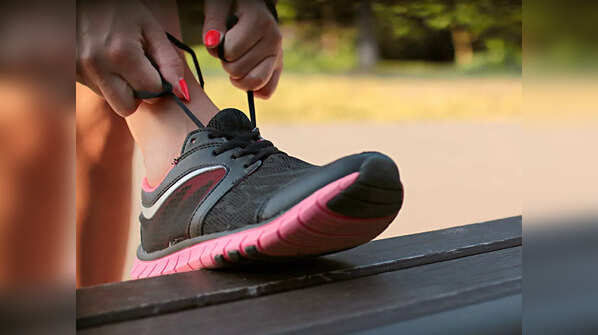
Good running shoes help soften some of that impact.
No shoe can completely eliminate stress on your joints. But proper cushioning can make running feel smoother and more comfortable, especially over longer distances.
If you've recently started exercising or are carrying a little extra weight, that cushioning becomes even more important.
Not all running shoes are the same either
Here's another thing many people discover the hard way.
Buying any running shoe doesn't automatically solve everything.
Some running shoes are built for speed.
Others focus on comfort.
Some are designed for people with flat feet. Others suit people with high arches.
That's why runners can spend hours talking about shoes. Once you find the right pair, you really notice the difference.
The shoe that works perfectly for your friend may feel completely wrong on your feet.
What about the gym?
This is where things get a little tricky.
A lot of people assume running shoes are ideal for every workout.
Not necessarily.
If you're lifting heavy weights, flatter shoes often provide better stability.
That's why you'll sometimes see gym-goers carrying two pairs of shoes—one for cardio and another for strength training.
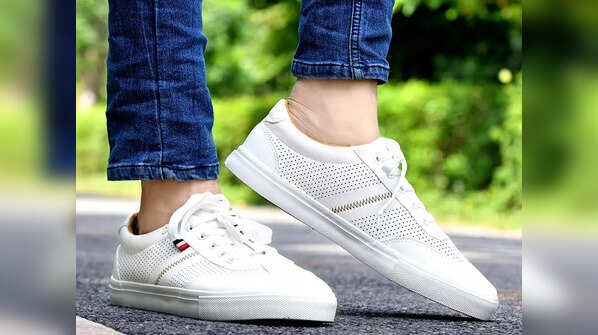
If your workouts include a bit of everything, cross-training shoes can be a good compromise.
When should you replace them?
Most people wait until their shoes look worn out.
The problem is that running shoes often wear out on the inside long before they look damaged.
The cushioning slowly loses its effectiveness over time.
Even if the shoe still looks perfectly fine, it may no longer be giving your feet the support it once did.
That's one reason regular runners replace their shoes more often than casual sneaker wearers.
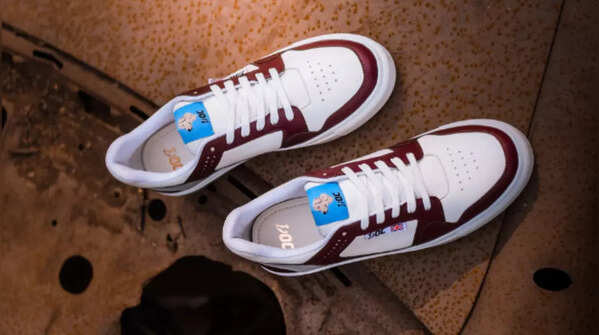
Not a battle!
This isn't really a battle between running shoes and sneakers.
One isn't better than the other.
They're just built for different things.
If you're spending the day walking around the city, grabbing coffee, running errands or heading to work, your favourite sneakers will probably do the job perfectly.
But if you're serious about running - or even trying to get serious about running - a good pair of running shoes can make a bigger difference than you might expect.
Because at the end of the day, your feet carry you everywhere.
And they're usually the last thing people think about until they start hurting. That's when you realise the right pair of shoes isn't just a fashion choice. It's an investment in staying comfortable every single day.
Featured In lifestyle

MORE FROM ETIMES
life & style