
- News
- India News
- Parliament passes GST bills; government looking at July 1 rollout
Trending
This story is from April 7, 2017
Parliament passes GST bills; government looking at July 1 rollout
Rajya Sabha approved four bills crucial for implementation of the goods and services tax (GST) on Thursday, a move which paves the way for rollout of the ambitious indirect tax reform from July 1.
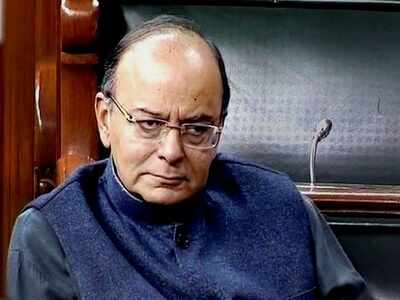
File photo
In a rare show of political consensus, the Congress did not press ahead with amendments and also did not support those moved by other opposition parties such as Trinamool Congress and the Left.

Last week, Lok Sabha had approved the four bills - Central GST bill, Integrated GST bill, Union Territories GST bill and the compensation law. State legislatures will now have to approve the SGST bill (the state goods and services tax). GST has been identified as a top reform priority by the Narendra Modi government and a July 1 rollout is expected to add to the reform credentials of the government. The tax reform will subsume central and state levies such as excise duty, additional duties of customs, service tax, value added tax, central sales tax, entry tax, octroi and luxury tax and is expected to clean up the messy indirect tax structure.
"On May 17-18, we will give final approval to rules and rates, looks like it can be implemented from July 1," finance minister Arun Jaitley said.
The government has indicated that product and service-wise GST rates may be announced closer to the rollout date, while finalising nine sets of rules for the indirect tax reform.
Tax experts said the July 1 rollout seems final.
"The passage of the four bills necessary for introduction of GST by Rajya Sabha reaffirms that July 1 is the go-live date for the most significant indirect tax reform of the country," M S Mani, senior director at consulting firm Deloitte, said.
"The fact that no changes have been suggested by Rajya Sabha signifies the convergence of views between the Centre and the states, making the July introduction of GST a certainty," he said.
The CGST legislation will empower the Centre to levy tax on goods and services once central excise and service tax are subsumed. I-GST is to be levied on inter-state supplies, while S-GST will let the states levy tax after VAT and other levies are subsumed in GST.
GST has been in the pipeline for close to a decade but a consensus had earlier eluded the Centre and the states.
In recent months, there has been substantial progress on rolling out the ambitious tax reform initiative.
End of Article
FOLLOW US ON SOCIAL MEDIA










Photostories

Hot Picks
TOP TRENDING
Popular Categories
Hot on the Web
Top Trends
Shantanu NaiduRussell WilsonsTom BradyPakistan Cricket FanSuryakumar YadavNobel Peace PrizeMahadev Betting AppNew UPI Transaction LimitRatan Tata DiesPM ModiNarayana MurthyUGC NET Result 2024Management Colleges of IndiaTop Medical Colleges of IndiaTop Engineering Colleges of IndiaTop Pharmacy Colleges of IndiaLive Cricket Score
Trending Topics
Diwali WishesJigra ReviewDussehra WishesVettaiyan OTT ReleaseVettaiyan CollectionVettaiyan ReviewBlack Movie ReviewDevara CollectionBigg Boss 18Deepika PadukoneShraddha KapoorRatan Tata Passed AwayJigra Movie ReviewVettaiyan Movie ReviewSwatantrya Veer SavarkarDussehra 2024Elon MuskKing Legacy CodesUltimate Football Codes October 2024Wordle Answer
Living and entertainment
Latest News
Harris overtakes Trump among suburban voters: Reuters/Ipsos pollSamantha Ruth Prabhu shares playtime with Chinmayi Sripaada's daughter, says 'It took her 4.5 seconds to disown her parents'Spiritual fervour all around as Sun God steers Lord's chariot at TirumalaHappy Dussehra 2024: Images, Quotes, Wishes, Messages, Pictures and GreetingsInfosys to no longer send job offer letters and attachments, the company will ...Jaggery vs honey: Which one is better for weight loss?My mother would love to have a swayamwar for me: Raj AnadkatRanji Trophy: Focus on Shreyas Iyer as Mumbai begin title defenceHappy Dussehra 2024: Top 50+ Wishes, Messages, and Quotes to Share with Your Loved OnesBigg Boss 18: Karan Veer Mehra's comment on Arfeen Khan converting his wife's religion sparks anger; Arfeen says, "Agar ye ghar mein nahi hota main iski band baja deta"Happy Dussehra 202: Top 50 Wishes, Messages and Quotes to share with your loved onesAmitabh Bachchan turns 82: Priyanka Chopra, Prabhas, Kajol, and other celebs extend heartfelt birthday wishes to the legendary starPutin won't discuss Ukraine peace with Germany's Scholz, Berlin saysIndia's Steel City (Jamshedpur) mourns loss of iconic steel tycoon Ratan Tata“A fresh approach”: New York Jets' Interim Head Coach Jeff Ulbrich Replaced Nathaniel Hackett as Offensive Play Caller With Todd DowningKarnataka Congress faces backlash over case withdrawals linked to Hubballi riotsWomen's T20 World Cup: Don't need to be told about NRR, says Shafali VermaAxe the tainted & non-performers, PM Modi tells Union secretaries
Copyright © 2024 Bennett, Coleman & Co. Ltd. All rights reserved. For reprint rights: Times Syndication Service