
- News
- Education (Old) News
- One needs patience to go through the exhaustive visa process for study in Germany
This story is from June 18, 2019
One needs patience to go through the exhaustive visa process for study in Germany
Studying in Germany is rewarding, but one needs patience to go through the exhaustive visa process, says Niveditha Ravikumar
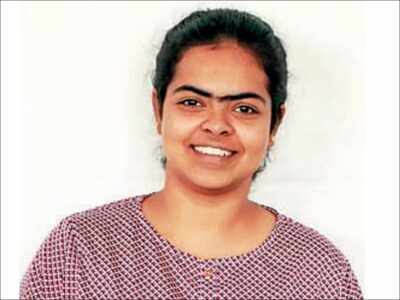
Niveditha Ravikumar, Master's of Science in Design Research, Bauhaus Dessau Foundation.

Germany is affordable for living and studying. Interestingly, I spent less than half of what I would have spent in a master's degree in India.
Niveditha Ravikumar
The Master's of Science in Design Research was in English, therefore, lack of knowledge of German language did not affect the classroom ambience. Our culturally diverse group provided a global perspective to learning.
Niveditha Ravikumar
End of Article
Follow Us On Social Media










Photostories

Hot Picks
Top Trending
Explore Every Corner
Across The Globe
Jason KelceHulk Hogans FuneralReinier de RidderDeAndre AytonMalik Nabers InjuryErin BurnettVanessa BryantJoshua HendersonDeion Sanders Cancer BattleMad Moxxi Fortnite skinStephen CurryDwyane Wade WifeLeBron JamesNBA Trade NewsStefon DiggsTravis KelceEric TrumpBronny JamesDon WaddellFortnite Super Showdown Live EventMarcus Morris SrKlay ThompsonMaxwell HairstonTaylor Swifts ExJosh MetellusNHL Trade RumorsHulk Hogan DeathErin AndrewsGisele BundchenKendrick Perkins
Hot on the Web
Uric Acid SymptomsWalking RoutineKyunki Saas Bhi Kabhi Bahu Thi 2Tom CruiseHigh Uric Acid LevelsMorning DrinksAlon Abutbul Death NewsSuniel ShettyMilind ChandwaniFatty LiverLargest Snake PopulationRajiv RaiSaiyaaraDementiaSaiyaara Box Office CollectionPriya SachdevHari Hara Veera Mallu Movie ReviewMaareesan Movie ReviewThalaivan Thalaivii Movie ReviewRubina DilaikFoods For Kidney HealthMahesh BhattHari Hara Veera Mallu Box Office CollectionNeena GuptaSkin ProblemShabana AzmiKidney HealthSaiyaara Movie ReviewBaby NamesChest PainRaj KapoorHair LossSolar EclipseAnand MahindraFatty LiverHeart ProblemOne PieceBest Shounen AnimeNeck Pain TipsMonsoon Travel TipsChronic InflammationJeff Bezos
Trending Topics
India US Trade DealTravis KelceLinda HoganKahleah CopperMarkus NutivaaraLeBron JamesPhilip TomasinoDak PrescottDeion SandersJJ RedickStaffer CraigJayson TatumShannon SharpeConnor McDavidDonald TrumpMatthew SchaeferDon WaddellDeandre AytonRapper GloRillaMegan Thee StallionMarcus Morris SrDrake MayeJoe AlwynNazem KadriTravis KelceGrounded 2 MultiplayerTom BradyChris PaulSauce GardnerNicklas BackstromAstronomer CeoNyt Connections HintsWordle TodayiPhone 17 ProSatya NadellaElon MuskAnand MahindraSolar Eclipse 2025Jensen HuangSundar PichaiRedmi Note 14 SETCS Layoffs
Popular Categories
HeadlinesSports NewsBusiness NewsIndia NewsWorld NewsBollywood NewsHealth+ TipsIndian TV ShowsTechnologyTravelEtimesHealth & FitnessNFLAugust Long Weekend 2025India vs EnglandAstrologyWeather TodayPlatinum Rate TodaySilver Rate TodayGold Rate TodayIs Bank open todayIs Bank Open TomorrowJune Bank HolidaysPublic Holidays in JuneStock Market HolidaysFinancial CalculatorsTechnology NewsInternational SportsPublic HolidaysBank Holidays
Latest News
Katy Perry and Justin Trudeau spark ROMANCE buzz; singer spotted with former Canadian PM on dinner date - PICSLos Angeles Lakers Likely to Offload $48 Million Superstar Before 2025-26 Season Amid Injury Concerns and Roster ShakeupTamil Nadu playing fraud on system in Senthil Balaji case, says SCProbe agencies can't question lawyers' professional work: SCCancer Daily Horoscope Today, July 30, 2025: You are right where you should beDaily Horoscope: Today's astrological predictions for July 30, 2025Uttarakhand HC ticks off officer for not speaking English, SC stays orderNBA Trade Rumors: Dallas Mavericks Weigh Risky but Ambitious Move for $52.6 Million Los Angeles Lakers Legend to form Big 3 with Anthony Davis and Kyrie IrvingDid BTS Jungkook flex new tattoos in his latest photos? Fans react as the pictures go viral - Deets insideSean Avery and Chris Chelios surprise fans with villain cameos in Adam Sandler’s ‘Happy Gilmore 2’Tsunami Watch: What is it and why is Hawaii on watch after magnitude 8 earthquake hits Russia's Kamchatka PeninsulaSC questions age restriction for surrogacyTaurus Daily Horoscope Today, July 30, 2025: Every step you took matters todayW Health Ventures targets $100 million second fund'Saiyaara' box office collection Day 12: Mohit Suri directorial set to hit Rs 100 crore mark in second week; total earnings of Ahaan Panday and Aneet Padda starrer cross Rs 266 croreNBA Trade Rumors: Los Angeles Lakers Eyeing Reunion With $2,291,897 Toronto Raptors Center to support LeBron James and Luka DoncicPowerful quake hits Russian coast: Japan warns of tsunami waves up to 1 meter in Pacific - what we know so far“A non-starter for the Edmonton Oilers”: Carter Hart’s NHL comeback faces major hurdle despite acquittal, says insider
Copyright © 2025 Bennett, Coleman & Co. Ltd. All rights reserved. For reprint rights: Times Syndication Service