
Weight loss drugs and nutrient deficiency: What nutrients are GLP-1 users lacking?

Weight loss drugs and nutrient deficiency: What nutrients are GLP-1 users lacking?
Popular weight loss drugs may be doing more than just helping people shed kilos. GLP-1 medications such as semaglutide (Ozempic, Wegovy) and tirzepatide (Mounjaro, Zepbound) are not only making people eat less but also interfering with nutrient absorption.
A new study by researchers at the University of Guadalajara, Mexico, found that the use of GLP-1 drugs for obesity and/or type 2 diabetes (T2D) was linked to an increased risk of nutritional deficiencies. The findings of the study are published in the journal Clinical Obesity.

GLP-1 use and nutrient absorption
As the use of GLP-1 drugs continues to rise, concerns about their link to nutritional and micronutrient deficiencies are also growing. This is particularly concerning for individuals with obesity, who may already be at risk due to poor diet quality and chronic inflammation. The new review, led by Jorge Urbina, MD, Autonomous University of Guadalajara, Mexico, looks at current evidence on nutrient and micronutrient deficiencies linked to GLP-1 therapy in adults with obesity or T2D.

The study
To understand the link between GLP-1 drugs and nutrient absorption, the researchers reviewed six studies involving 480,825 adults. The participants were older than 18 years and had obesity and/or T2D, and were treated with the GLP-1s semaglutide, liraglutide, or tirzepatide.
Studies on children, people without obesity or type 2 diabetes, case reports with fewer than 10 patients, and studies that did not report nutrition, micronutrient, or body composition outcomes were excluded from this review.
Link between GLP-1 drugs and nutrient deficiency
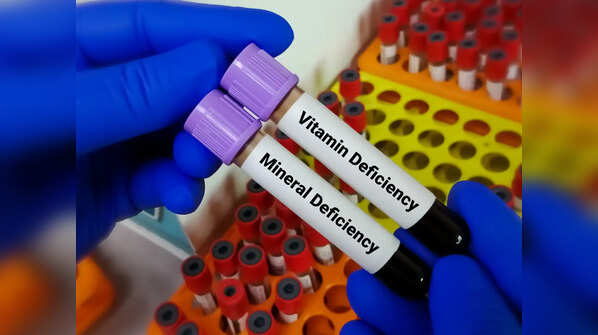
In a study of 461,382 participants, the researchers found that 12.7% developed a nutritional deficiency within six months of using GLP-1 drugs. The most commonly observed deficiency was vitamin D (7.5%), which rose to 13.6% after 12 months. Participants also experienced muscle loss, B vitamin deficiencies, dehydration, and mineral deficiencies (calcium, selenium, zinc), which increased over time.
In a smaller study of 18,746 adults with type 2 diabetes, GLP-1 users had a 49% higher risk of vitamin D deficiency than SGLT2 inhibitor users. Similarly, they had a 32% higher risk compared with DPP-4 inhibitor users. They also had a 54% higher risk of low ferritin (iron levels) than SGLT2 inhibitor users.

What should you know?
The researchers concluded that nutritional deficiencies are ‘a common consequence’ of GLP-1 drugs, and that doctors must take this into account.
“Micronutrient deficiencies during GLP-1 therapy are a common consequence rather than a rare adverse effect. Additionally, findings illustrate that GLP-1 RA [receptor agonist]-associated nutritional risk is clinically relevant,” the authors said.
“One of the objectives of this review is to raise awareness of this complication and to encourage a broader differential diagnosis in patients receiving GLP-1 therapy who present with unexplained neurologic symptoms, functional decline, or constitutional changes during periods of marked caloric restriction,” they added.
Featured In etimes

