- News
- entertainment
- hindi
- bollywood
- Manoj Bajpayee: This verdict is a karara jawaab to all the stereotypical minds
Trending
This story is from September 6, 2018
Manoj Bajpayee: This verdict is a karara jawaab to all the stereotypical minds
After the SC verdict on Section 377 of Indian Penal Code, we talk to Manoj Bajpayee who played a queer in his film 'Aligarh'.
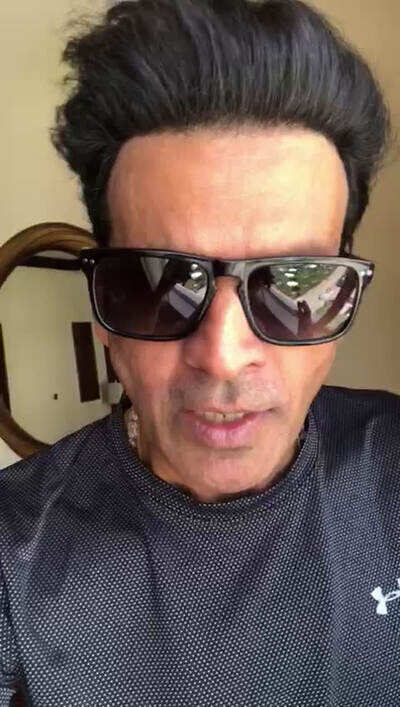
Manoj Bajapyee in 'Aligarh'
It wasn’t as if I got sensitised to this while shooting for 'Aligarh'. From my younger days, I always thought that this is a natural part of society. It doesn’t define someone’s identity – sexual preference has nothing to do with anything else. And it kept getting consolidated with time.

And when I got to play Professor Siras, I was very sure that I was not going to give a stereotypical characterisation to his character. I had to emphasise on the person that he was, rather than giving him a stereotypical walk or posture. All the gay teachers or friends I have, none of them behave in that stereotypical way. So many films that I have seen in the past, Bollywood or Hollywood, gave me the creeps in the manner they depict gay characters.
This verdict has validated the fact that people like me who have been looking at the community as a part of our society, as people no different from us – we were right. And it has validated the fact that no matter who else goes wrong, the Supreme Court doesn’t go wrong in our country.
It was a unanimous verdict.
It was a unanimous verdict, yes!
Der aaye, durust aaye! These kinds of primitive laws don’t reflect well on a democracy.
You see it as a legal victory or a sentimental turning point?
A sentimental turning point, most certainly. The past law had given the right to all conservative and stereotypical minds to come down very heavily on the community. Now, nobody will have the right to treat the community unequally. It’s a karara jawaab to all the stereotypical minds. And to all the people who said this is a disease that can be cured by yoga!
This isn’t a victory for just the community, is it?
No, it’s a victory for all of us, for people like me who always thought that this law needs to go – it has no place in our society. Verdicts like this give us faith, make us feel that no, we are not going in the wrong direction as a society. There is hope! Young minds, when they discover that their preferences aren’t the same as others, they don’t know how to react, how to handle it. This verdict will send a message to their parents, to the society that judges them, to welcome children who are different from us in any way. It’s a great relief and an amazing, confidence-building verdict for them.
The character you played in 'Gali Guleiyan' – how does it compare to the 'Aligarh' one?
The character of Professor Siras is a fine character – he is a great lover of literature, a learned man, he knows right from wrong. He is happy having his whisky in a closed room as he listens to Lata Mangeshkar. But in 'Gali Guleiyan', this man is losing touch with reality. He is living on too many levels, in too many layers. So 'Gali Guleiyan' becomes difficult at many levels as an actor – it gets difficult to get into that space in your mind. And I made it all the more difficult by not contacting a psychiatrist. I tried to travel with the character, in his mind, in his search for sanity. He doesn’t know which layer is right and which is not. Living the graph of his mental decline was very daunting as an actor. Now I know why Christian Bale refused another role like Machinist – it takes a great toll on your mind. You are scared of getting into a zone like that again. After playing Prof Siras, I came out a more evolved, a more improved person. But after playing Khudoos, you come out bruised!
End of Article
FOLLOW US ON SOCIAL MEDIA






Photostories
entertainment videos
Featured In Movies

Popular Categories
Entertainment NewsBollywood NewsTollywood NewsKollywood NewsMollywood NewsMovie ReviewsLatest Hindi MoviesLatest Tamil MoviesMX PlayerParenting TipsHome RemediesWeight LossBeauty TipsParenting TipsHindi VideosHindi Video SongsBhojpuri Music VideosLatest Telugu MoviesBhojpuri Music VideoHindi TV News
Trending in Entertainment
Latest MoviesBollywood MoviesHollywood MoviesTamil Movies 2024Telugu Movies 2024Malayalam Movies 2024Kannada Movies 2024Marathi Movies 2024Bengali Movies 2024Top Rated Movies 2024Best Hindi MoviesBest English MoviesBest Telugu MoviesBest Tamil MoviesBest Malayalam MoviesBest Kannada MoviesBest Bengali MoviesUpcoming Hindi MoviesBest Movies Of All TimeBest Hindi Movies of All Time
Trending in Etimes
Horoscope TodayNumerology Predictions TodayWalking BenefitsBreast Cancer DiagnosisYung Filly Rape CaseTaylor Rousseau GriggBelly FatSean Diddy CombsOzempic PersonalityDepression RiskBelly Fat LossDurga Visarjan 2024Toxic FriendshipDonald TrumpElon MuskDussehra 2024Durga Ashtami 2024Multitasking TipsSaraswati Visarjan 2024
Trending in TV
Trending in Lifestyle
Trending in Regional
Movie Reviews
Binny And Family ReviewLove, Sitara ReviewWill & Harper ReviewWolfs ReviewYudhra ReviewJo Tera Hai Woh Mera Hai ReviewKahan Shuru Kahan Khatam ReviewHis Three Daughters ReviewNever Let Go ReviewDancing Village: The Curse Begins ReviewTransformers One ReviewFirst Love ReviewBerlin ReviewThe Buckingham Murders Review
Upcoming Hindi Movies
Upcoming Regional Movies
Latest News
Book review: 'The Scientist Entrepreneur' by Dr Kalpana Sankar is a nuclear scientist’s inspiring journey of women’s empowermentDid BTS' V get promoted to corporal in the South Korean military? recent appearance at an orchestra event has fans speculatingAccused did recce of Baba Siddiqui's house, monitored him for months: Mumbai PoliceParas Mhambrey joins Mumbai Indians as bowling coachSalman Khan’s security beefed up after Baba Siddiqui’s murder; ‘Sultan’ star looked uncomfortable after visiting the late politician’s family at 3 amBaba Siddique may have died prior to hospitalisation, says doctorsRanji Trophy: Thriller in the making as Krunal Pandya fifty helps Baroda lead by 226 runs vs MumbaiReading the Stars and Your Hands: How Astrology and Palmistry Complement Each OtherTaurus, Weekly Horoscope, October 13 to October 19, 2024: Focus on gains and accomplishments'Procrastination greatest thief of time': HC junks 'belated case'Krushna Abhishek shares a heartwarming post for mama Govinda; says 'jab body mein adha blood supremely talented actor Govinda ka ho...'2 flee Uttarakhand jail. Did they escape as Ramlila ‘vanars’ looking for Sita?Scorpio, Weekly Horoscope, October 13 to October 19, 2024: Health and self-care are essentialZodiac signs likely to have soul connectionsNumerology Predictions Today, October 13, 2024: Read your personalised forecast for numbers 1 to 9'Points towards failure of CM': Sanjay Raut slams Maharashtra govt over Baba Siddiqui's killingAshton Kutcher and Mila Kunis consider leaving Hollywood amid Sean 'Diddy’ Combs' arrest fallout: ReportVijay celebrates 'GOAT' success as Venkat Prabhu's directorial earns 100 crore share in Tamil Nadu
Other Group Sites -
ETimes is an Entertainment, TV & Lifestyle industrys promotional website and carries advertorials and native advertising.