
- News
- Elections News
- Pune: Remote Talmachiwadi cast just 4 votes in 2014
This story is from April 18, 2019
Pune: Remote Talmachiwadi cast just 4 votes in 2014
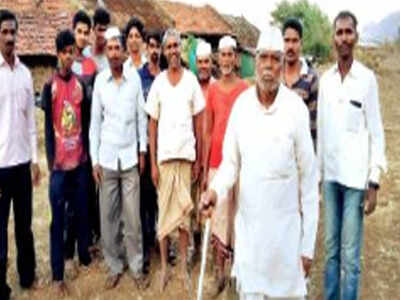
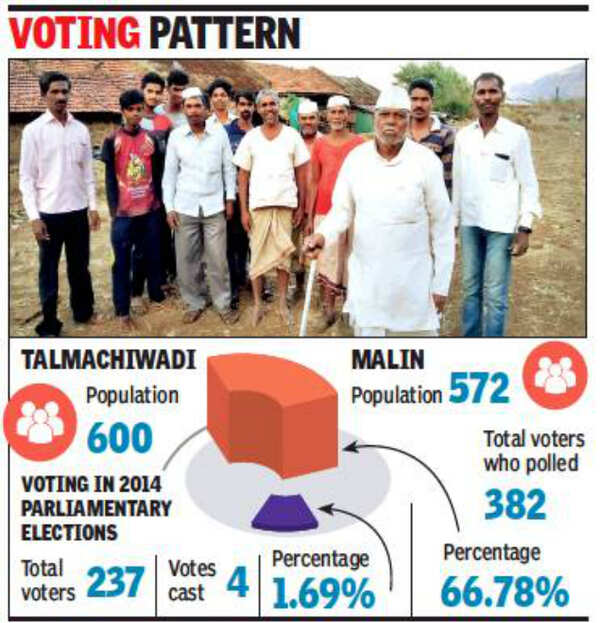
Talmachiwadi with a population of 600 was identified as a landslide-prone zone. The residents had demanded rehabilitation and proper houses in early 2014
Election officials said two other polling booths were identified in the district. They were in Purandar assembly segment in Baramati parliamentary constituency.
Talmachiwadi with a population of 600 was identified as a landslide-prone zone.
The residents had demanded rehabilitation and proper houses in early 2014. When they were ignored, the village, under the Shirur parliamentary constituency, boycotted the elections.
"The last time, we did not vote in protest. This time, we will vote. But we are not hoping for anything to change immediately,'' said Vishnu Sable, a villager from Nimgiri, about 8-10km away.
He is among the few with an education. Sable told TOI that no political party has reached out to them and there has been no campaigning even though the elections are close by.
“Politicians have ignored us. I had personally put forward our issues to the sitting MP Shivaji Adhalrao Patil but there is no progress. We have made voters aware of the candidates this time,’’ Sable added.
Booth level officer Popat Bhaunaigodi, a teacher from the area, said they have been educating the villagers about voting. ‘The district election office decided to focus on this area as it saw the lowest voter turn out,’’ he said.
Research expert C Bhujbal, who has analysed low voter turn out in parliamentary elections, said people don’t vote as their names are missing. Some villages had boycotted elections over land acquisition.
“The overall voting percentage is low for parliamentary elections. When the issues affect villagers badly, they decide not to vote. However, when candidates do not reach out to the voters, the disconnect widens,’’ he told TOI.
Returning officer for Shirur R Kale said his team has conducted training sessions about the voting process in the village.
“BLOs have met the villagers. A polling booth will be set up in the local school,’’ he added.
End of Article
FOLLOW US ON SOCIAL MEDIA
Photostories

Hot Picks
TOP TRENDING
Popular Categories
Hot on the Web
Top Trends
ENG vs WI Live ScoreSL vs WI Live ScoreAllan LichtmanJharkhand Election ScheduleYashasvi JaiswalBaba SiddiqueMaharashtra Election Full ScheduleRavichandran AshwinCanadian DiplomatMaharashtra Election DatePublic Speaking SkillsHCL Salary HikesAssam Adre Grade Admit CardKEA VAO ResultPankaj Oswal DaughterBengaluru Schools ClosedLive Cricket Score
Trending Topics
Diwali WishesJigra Movie ReviewSunny DeolDevara OTT ReleaseVettaiyan CollectionSharmila TagoreLawrence BishnoiBigg Boss KannadaBigg Boss 18Salman KhanShraddha KapoorRatan Tata Passed AwayJigra Movie ReviewSharad Purnima Moonrise TimeSwatantrya Veer SavarkarSharad Purnima 2024Star Health Hacker DemandedViral MemesUltimate Football Codes October 2024Wordle Answer
Living and entertainment
Latest News
Ajay Devgn refers to his wife Kajol as 'ghar ka Singham' after her 'asli Singham' remarkActor Sreenath Bhasi’s driving licence suspended in the hit-and-run caseGST drive harassing middle class, small businesses in Punjab: Warring154 pledge to donate their bodies to GMCBigg Boss 18: Avinash Mishra evicted by housemates following major clash with Chum Darang; Eisha Singh and Alice Kaushik left stunnedSecond day: Now Ayodhya flight faces bomb threat'If we can keep Bumrah quiet': Pat Cummins outlines strategy for Australia in Border-Gavaskar TrophyIndiGo Ventures gets SEBI nod as alternative investment fundRobust and Stylish Biometric Lockers Suitable For Home And Office UseMaharashtra, Jharkhand assembly elections: What's at stake for BJP-led NDA, INDIA blocWayanad bypoll fixed for November 13, Priyanka set for election debut'Kamran Ghulam has got a bit of Steve Smith about him': Nasser HussainJ&K assembly elections to be held in 3 phases from September 18: Full scheduleMonsoon withdraws, but heavy rain keeps 1 foot inSuper Junior's Leeteuk subtly shows support for former RIIZE’s Seunghan in recent social media moveEXID's Hani makes stage comeback after postponing wedding amid fiancé’s controversyFormer WWE Champion shares desire to face John Cena during his retirement tourFive including three minors arrested in connection with the gang rape of mother-in-law and daughter in law reported at Sri Sathya Sai district
Copyright © 2024 Bennett, Coleman & Co. Ltd. All rights reserved. For reprint rights: Times Syndication Service