
- News
- City News
- lucknow News
- UP ranks second in power consumption amid heatwave, supply disruptions major concern
Trending
UP ranks second in power consumption amid heatwave, supply disruptions major concern
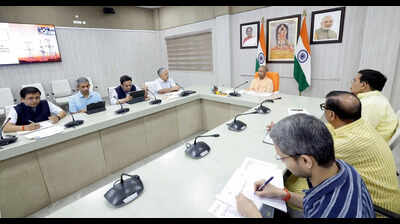
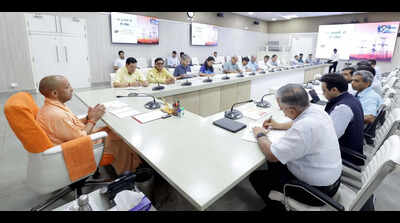
Meeting chaired by Chief Minister Yogi Adityanath on Sunday to discuss electricity demand and supply status

About the AuthorArvind Chauhan
End of Article
Follow Us On Social Media
Hot Picks
Top Trending
Tired of too many ads?go ad free now
Trending Stories
In Lucknow
In City
- UP ranks second in power consumption amid heatwave, supply disruptions major concern
- Yoga moves to zumba grooves in this open-air bash
- Early-risers’ daybreak party rocks the town
- 9 of ‘Gujjar Gang’ held for midnight rioting in Gosaiganj
- DRI seizes smuggled foreign cigarettes worth Rs 45 lakh in Gorakhpur
- Sold by mother for Rs 16k & 10 saris, 12-year-old raped by ‘buyer’, auto driver
- Seven held in raid on illegal bird trade, hundreds of protected species rescued
- 2 siblings on vacation drown in Saryu; aunt rescued
- STF files 1.5-lakh page chargesheet in Rs 1,000-cr codeine cough syrup racket
- Was drugged, gang-raped by 3 youth in Lucknow, claims DU girl from Jaunpur
- Flag meet as BGB stops BSF land-marking at Teen Bigha
- Access Woes at Chennai Egmore Station as Encroachments, Parking Chaos Hit Commuters
- SUV’s sudden reverse on middle of Ravet bridge kills 10-year-old girl
- Power cut woes persist in city, panic in pvt hospital as genset malfunctions
- Balewadi’s call: Survey traffic, then open bridge
- Cooler Sunday, but cloud cover to keep day temp around 38 deg C this week
- Tasmac bar near three schools in North Chennai still open despite CM’s order
- Newborn kidnapped outside govt hosp rescued; 2 held
- Newborn survives deadly combination of heart arrhythmia and intestinal surgery
- Kondhwa residents meet police, demand action against late-night eateries, bike racing by youngsters and more
Tired of too many ads?go ad free now



Explore Every Corner
Across The Globe
IPL Playoff Qualification ScenariosWhite House ShootingUPSC prelims 2026Jasprit BumrahVaibhav SooryavanshiFrench Open 2026 Live StreamingFalta election result 2026UPSC Prelims 2026Dianna Russini ControversyKKR vs DCMinecraft Seeds for BeginnersIPL Match TodayMI vs RRMumbai indians vs rajasthan royals live scoreDelhi Capitals vs Kolkata knight riders live scoreNFL Trade RumorsUS Iran WarTwisha SharmaHighest Paid Athlete ListIPL Orange Cap 2026Akash SinghDonald Trump DaughterIPL 2026 Playoff PredictionJoe RootFuel Rate todayJNVST Class 6 Phase 2 ResultsLucknow super giants vs punjab kings live scoreIPL Points Table 2026Rachin RavindraAravindh Chithambarams

Hot on the Web
Swaroop Sampat RawalImtiaz AliRukmini VasanthRent Hike RulesDenzel WashingtonRam CharanRaveena TandonTraditional Indian FoodsDhurandhar 2 OTT ReleaseAbhishek BachchanDrishyam 3 Box Office CollectionAishwarya Rai BachchanFarhan AkhtarMaa Behen TrailerDeepika PadukoneChand Mera Dil Box Office CollectionNiranjana DesaiAishwarya Rai BachchanUnique Fruit TreesKaruppu Box Office CollectionDhurandhar 2Abhijeet DipkePopular FoodSnake Parks in IndiaKangana RanautHemant ModiBaby NamesDhurandhar 2 Box Office CollectionPati Patni Aur Woh Do Box Office CollectionHoroscope TodayCuba Drone ThreatFatah 3 VS BrahmosUS Powerball LotteryRajnath SinghUAE Nuclear PlantSanjeev AroraNyt ConnectionsEpic Fury 2.0Legal Document PropertySuryastraS 400Captions For Instagram Posts
Trending Topics
TANCET Result 2026Twisha SharmaHamza BurhanSRH vs RCB ClashVaibhav SooryavanshiAbhishek SharmaAnimesh KujurAryna SabalenkaTamil Nadu MurderDelhi Market FireGurgaon Transformer BlastTCS Nashik CaseMP High CourtAllahabad High CourtHaryana Police EncounterLucknow RapeKolkata AirportMalabar Hill TankAIBE 21 admit cardNID DAT counselling 2026US Iran warDonald TrumpEbola treatment centreStrait of hormuzStarship V3 launch postponedRajnath singhFalta repollingPiyush GoyalBSF conquers EverestSergio GorJeff BezosUS Chip ShortageNikesh AroraTrump China VisitBrian NiccolsRoyal Enfield CompensationFlight Delayed CompensationChristian KleinGarena Free Fire MAX Redeem CodesPeroxide CodesGenshin Impact Codes
Popular Categories
HeadlinesSports NewsBusiness NewsIndia NewsWorld NewsInternational SportsHealthIndian TV ShowsTechnologyTravelEtimesAstrologyDeorhiAutoTechnology NewsGold Rate TodayWeather TodaySilver Price TodayDelhi Weather TodayPetrol Price TodayDiesel Price TodayCNG Price TodayLPG Price TodayPetrol Price MumbaiDelhi AQIIs Bank Open TodayMumbai AQI TodayIs Bank Open TomorrowPublic Holidays in MayBank Holidays in May
Trending Videos
BIG! Iran Shoots Down Israeli Spy Drone Near Hormuz; Secret Strike Mission Crushed? | WATCHMassive Ukrainian Drone Attack Met With Total Russian Response | WatchMeghan Mocked Online As Low Turnout Sparks Massive Social Media Backlash | WATCHKieron Pollard on MI’s disappointing IPL 2026 campaign & Hardik’s leadershipKumar Sangakkara on Jofra Archer, Riyan Parag’s leadership & RR’s fighting win'Damaged For First Time Since WWII': Russia's Blitz Hits Ukraine's Foreign Ministry Building'I Feel Very Bad': Mamata Reacts After Football Statue Removal From Kolkata StadiumMojtaba Camp Escalates Rhetoric; Iran Warns U.S. Over NPT Exit, Naval Blockade BreakMamata Alleges EVM Rigging, Vote Looting As BJP Wins Falta Repoll; Says INDIA Bloc May Meet In JuneMBS, Saudi, Pakistan And The Nuclear Question India Cannot Afford To Ignore Any Longer TodayRussia Doubles Down With Fresh Threat After Massive Missile Attack on UkrainePutin’s Oreshnik Punishment Strike Rocks Ukraine; Massive Blasts, Fires Captured On CameraBengal CM Suvendu Adhikari Asks Districts To Set Up ‘Holding Centres’ For Illegal ImmigrantsExperience The New Punjabi Music Video 'Raho Bachke' By Jass ManakExperience The New Punjabi Music Video 'Jogi' By Sunanda SharmaGet Hooked on the Catchy Music Video for Track 'Jachdi' By Sheera Jasvir in PunjabiChand Mera Dil | Song - AitbaarHome Minister Amit Shah To Review India-Pakistan Border Security In Rajasthan
Latest News
Hazaribag man drowns while fishing in lake"Behen Darr Gayi!": Fans relive ‘Bhagam Bhag’ era after watching Akshay Kumar's 'Bhooth Bangla' trailerMBOSE HSLC result 2026 to release tomorrow: Check details hereIran war risk: JPMorgan CEO Jamie Dimon warns of oil shocks, sticky inflation and higher interest ratesMake your clutch last longer with these easy driving tips“Three-against-one situation”: El Rubius opens up on being “targeted” in MrBeast’s viral $1M challengeBihar BTSC lab assistant notification released for 1091 posts at btsc.bihar.gov.in; apply hereIPL craze costs techie Rs 1.46 lakh in fake RCB vs CSK ticket scamRaising “robot-proof” kids: Why creativity and curiosity matter more than everInside ‘Satguru Sharan’: Exploring Saif Ali Khan and Kareena Kapoor Khan’s Rs 100 crore Bandra homeHow selling Alaska in 1867 was a costly mistake for Russia'Hera Pheri 3 is coming': Paresh Rawal dismisses delay reports and reveals he will 'start shooting soon'US-Iran War: A daring rescue Hollywood blockbuster is on its way. Till then, pick your favourite from these 10 films on bringing someone home against all oddsKolkata team unveils fan mural at Rash Behari Avenue, celebrating city’s first loveHow US spread a lie to rescue a pilot of a jet shot down in IranNetflix unveils ‘VOID’, an AI model that can change a movie plotAI data centers are causing 'stress' not just to tech companies, but also private insurers"Trans women are.....": Clavicular’s viral moment with trans women sparks fresh conversation on internet culture
Copyright © 2026 Bennett, Coleman & Co. Ltd. All rights reserved. For reprint rights: Times Syndication Service