
- News
- City News
- chandigarh News
- UT app to make life easy for govt house allottees
Trending
This story is from June 21, 2023
UT app to make life easy for govt house allottees
For more than 10,000 allottees of government houses, registering, tracking a complaint, vacating a house and taking possession will soon be only a touch away on their mobile phones in the city.
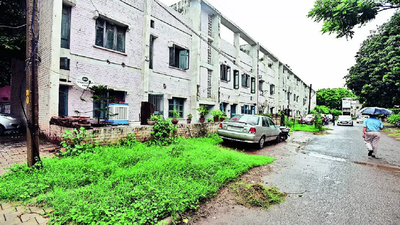
Allotment of government houses is all set to be hassle-free
The UT administration is coming up with e-Awas mobile app, which is in the final stages of pre-launch testing.
“A range of services will be available on the mobile.

The complaint registration through the mobile is expected to speed up the grievance redressal system, which officials admit leaves much to be desired.
“E-Awas mobile app aims to add to the transparency and enabling hassle-free allotment of government houses. National Informatics Centre (NIC), Chandigarh, has developed the bidding-based house allotment application — eAwas — which is running successfully in Chandigarh since 2017. The city’s experience with the system has been shared with states of Haryana, Punjab and Goa, and also demonstrated to Maharashtra, Assam and Ladakh and is under consideration there,” said the official.
There are around 13,000 government houses in Chandigarh, out of which around 12,000 of 18 categories are listed under General Pool for allotment to employees of Haryana, Punjab, Punjab and Haryana High Court and UT Chandigarh posted in the city.
Earlier, the allotment process was manual. The data was maintained in registers, resulting in delays in the allotment processes. There was no single point from where concerns of allottees could be addressed.
Status of licence fee received and maintenance of the houses by engineering department was not available for the House Allotment Committee (HAC) to take any decisions. Despite being vacant, many houses were not occupied, causing revenue loss to the government.
“These problems engendered a need to automate the processes of the house allotment department, rent controller and the maintenance wing of engineering department as managing a large number of houses and the continuous flow of applications required a lot of effort and resources. With this in mind, the e-Awas software was conceptualised and the project was initiated under the guidance of secretary, House Allotment Committee,” said the official.

About the Author
Munieshwer A SagarEnd of Article
FOLLOW US ON SOCIAL MEDIA










Photostories
Hot Picks
TOP TRENDING
Popular Categories
Hot on the Web
Top Trends
IND vs AUS Live ScoreBaba Siddique NewsVirat KohliRussell WilsonsSpacex StarshipRahul DravidWho was Baba SiddiqueBabar AzamNTA SWAYAM July RegistrationLawrence BishnoiAmazon LayoffsTaylor SwiftManagement Colleges of IndiaTop Medical Colleges of IndiaTop Engineering Colleges of IndiaTop Pharmacy Colleges of IndiaLive Cricket Score
Trending Topics
Diwali WishesDussehra 2024 QuotesDussehra WishesVettaiyan OTT ReleaseVettaiyan CollectionVettaiyan ReviewNatasa StankovicDevara CollectionBigg Boss 18Deepika PadukoneShraddha KapoorRatan Tata Passed AwayJigra Movie ReviewVettaiyan Movie ReviewSwatantrya Veer SavarkarDussehra 2024Star Health Hacker DemandedViral MemesUltimate Football Codes October 2024Wordle Answer
Living and entertainment
Latest News
Over 70 injured at Devaragattu Banni stick festival during Dussehra celebrationsPassion missing, players don’t want to work hard, lament former intl’sHow tomato, potato, onion influence food inflationBiker’s death ignites village fury in Odisha's Boudh, massive traffic jam on NH-57Reliance Jio sends 'complaint letter' to telecom minister Jyotiraditya ScindiaWomen's T20 World Cup: Why India need Pakistan victory over New Zealand to secure semifinal berthSpaceX's fifth Starship test flight achieves historic booster catchCops probing Bishnoi gang's links to Siddique's murderNews brief: 'Who is listening? Modi?': Kapil Sibal takes a dig at RSS chief Mohan BhagwatPapankusha Ekadashi 2024: Date, Parana Time, Puja Rituals and SignificanceKenya's Ruth Chepngetich breaks women's world record at Chicago MarathonAI’S OppenheimerBaba Siddique murder case: Slum dispute that sparked ED inquest to be part of probeFor 20 years, Thar getting more rain than normalSpiritual fervour marks Bagh Savari festival held at TirumalaBigg Boss Tamil 8: Ravindar Chandrasekaran gets evicted from the houseFPIs pull out Rs 59,000 crore from equity in OctoberPresident's rule revoked in J&K after almost 6 years, stage set for Omar Abdullah's government
Copyright © 2024 Bennett, Coleman & Co. Ltd. All rights reserved. For reprint rights: Times Syndication Service