





There is, I admit, something deeply unbecoming about defending a club. Especially a club sitting on 27.3 acres of Lutyens’ Delhi, on government land, with a notional land value now being discussed at around Rs 27,000 crore, investments reportedly running into hundreds of crores, and a waiting list so long that a child may apply at birth and receive membership sometime after India has colonised Mars and formed a subcommittee to examine parking. The Centre has now asked the club to vacate, citing defence and security-related use. Before that came dues, disputes, committees, notices, legal wrangling and the usual Indian administrative opera in which everyone is technically correct and spiritually exhausted. So yes, the optics are dreadful.
A country of potholes, exam leaks, broken pavements, polluted lungs and restless ambition cannot be expected to organise a candlelight vigil because a few people may lose access to a verandah where time moved slowly, the soda was cold, and someone’s grandfather once mispronounced Nehru with authority.
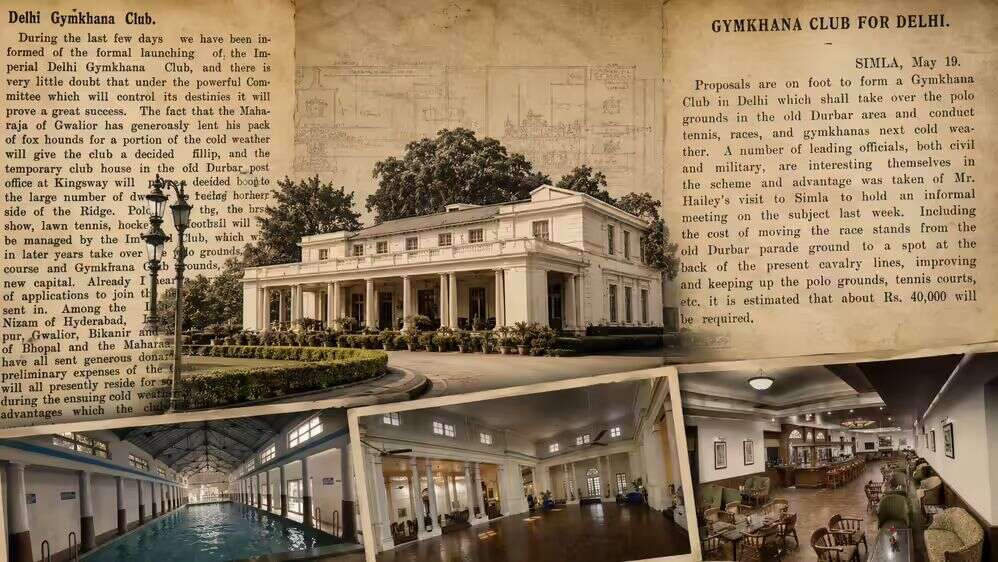

And yet, there is something equally exhausting about the new national allergy to leisure. The old gymkhana, we are told, went from vyayamshala to madhushala, from sport to socialising, from athletic purpose to gin-soaked afternoons in which the republic was presumably delayed by one more round. Fair enough; British Raj clubs have no natural place in a modern republic. But modern India has not abolished indulgence, it has merely given it a better deck.
The lazy colonial evening is now a wellness retreat. The club sandwich is now protein architecture. The whisky peg is now a founder’s offsite. The old darbar has not disappeared; it has simply moved to business class, gated communities, policy conferences, private equity dinners and invitation-only WhatsApp groups where everyone speaks of disruption while waiting for the valet to locate the Range Rover or Lexus.
The problem, therefore, is not privilege. The problem is old privilege caught wearing the wrong costume.
The old privileged are now being marched through the town square of public contempt as entitled, talent-light, embassy-reception frequenting, property-adjacent, drawing-room democrats. People who knew someone who knew someone in South Block, had strong views on cutlet texture, and believed national service included maintaining a bar account and occasionally saying “the country is going to the dogs” between two gins.
Their loyal retainers, cultural sepoys and luncheon-room constitutionalists are naturally in meltdown. Not because civilisation is collapsing, but because civilisation may no longer recognise their membership card. This is the great tragedy. Not the loss of land, not even the loss of lawn — the true wound is metaphysical: where does a certain kind of Indian go when the state stops confusing nostalgia with public purpose? Because privilege, like seepage and bad policy, never disappears. It migrates.
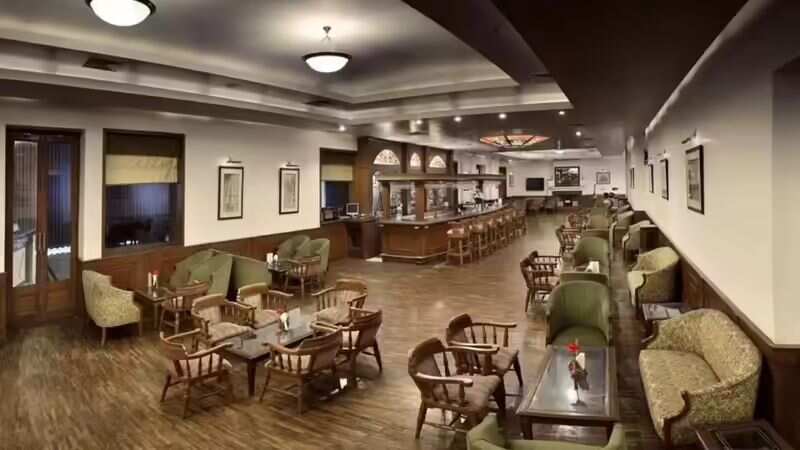
Where does it go now? To start-up money, obviously. To founders’ clubs where the whisky is Japanese, the shoes are Italian, the accent is global, and the colonial hangover has been replaced by a term sheet. The genteel have no place there. There is no room for slow gossip, decaying upholstery, or the tragic dignity of a properly made club sandwich. The new elite does not lounge, it networks. It does not inherit, it exits. And that, perhaps, is why the political discourse is so sharp, so unforgiving, so performatively intolerant of old money, old privilege and, dare one whisper it, class.

Not because India has become allergic to inequality. Please, we adore inequality when it arrives wearing sneakers, speaking at a summit, and promising to solve agriculture through an app. What India cannot stand anymore is unproductive privilege, leisure without pitch decks, entitlement without EBITDA, class without hustle. A man reading quietly on a club lawn is offensive. A man raising $40 million to deliver undercooked sushi in twelve minutes is nation-building.

The old elite sinned by being too visible in its laziness. The new elite is cleverer. It calls laziness “recovery”, access “network”, inheritance “risk appetite”, and its club “a curated community for leaders.” It has replaced the gin-soaked afternoon with the kombucha-soaked fireside chat. Same privilege but better lighting and still better optics.
So yes, repossess the land if the lease demands it. Put it to public use if the state can and build something useful, open, accountable and not merely another fortress with a different guest list and a QR code at the gate. But spare us the morality play because the gin was never the scandal. The scandal was always access. Who gets the land, who gets the lawn, who gets the silence and who gets to be lazy without apology. And in the new India, even laziness must first raise a seed round.
Post-postscript: Since this piece was written, the Delhi High Court has issued summons to the Centre and Delhi Gymkhana Club management, while the Centre has clarified that its May 22 letter ended the lease but did not order immediate eviction. As ever, the last drink may yet require due process.
Disclaimer
Views expressed above are the author's own.






Top Comment
{{A_D_N}}
{{C_D}}
{{{short}}} {{#more}} {{{long}}}... Read More {{/more}}
{{/totalcount}} {{^totalcount}}Start a Conversation