




The NGMA in Mumbai stands like a citadel of history in India and when you know that the Master Nandalal Bose’s Haripura posters are part of an epic exhibition it must compel a visit. ‘Colours of Swadesh From Haripura to Constitution ‘ brings alive chapters and passages of the past in the magnificent dome of NGMA Mumbai.

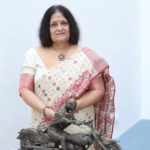
According to NGMA Curator, Shruti Das the Haripura posters that visited Venice Biennale in 2019 , presented by the Ministry of Culture, was an exercise that went beyond the Bengal School and shone the light on nationalism as well as cultural regeneration in the art of Nandalal Bose.
Fast forward to 2026 and this suite of 77 works at NGMA gleams like rustic rhythms that bring bronzed men and women and music and humble artisans all under one umbrella.The common man gleams in the darkness of bronze skinned realities but all yoked to the grace of time and tide in the hands of an Indian Bengal master called Nandalal Bose.

Curator Shruti Das says the exhibition here is arranged in the context of a nationalist reverie — posters for the 1938 Indian National Congress convention at Haripura , created more out of personal affection and respect for Mohandas Karamchand Gandhi.
“ When you look at the images of the dark skinned men and women you know how much Nandalal loved simple people, and understood the lives of local villagers.”
The beauty of this brilliant show is the truth that not only did Nandalal bring about a cultural regeneration in Indian art but he laid the foundation for a new visual culture in the postcolonial era.

Haripura — cultural fabric
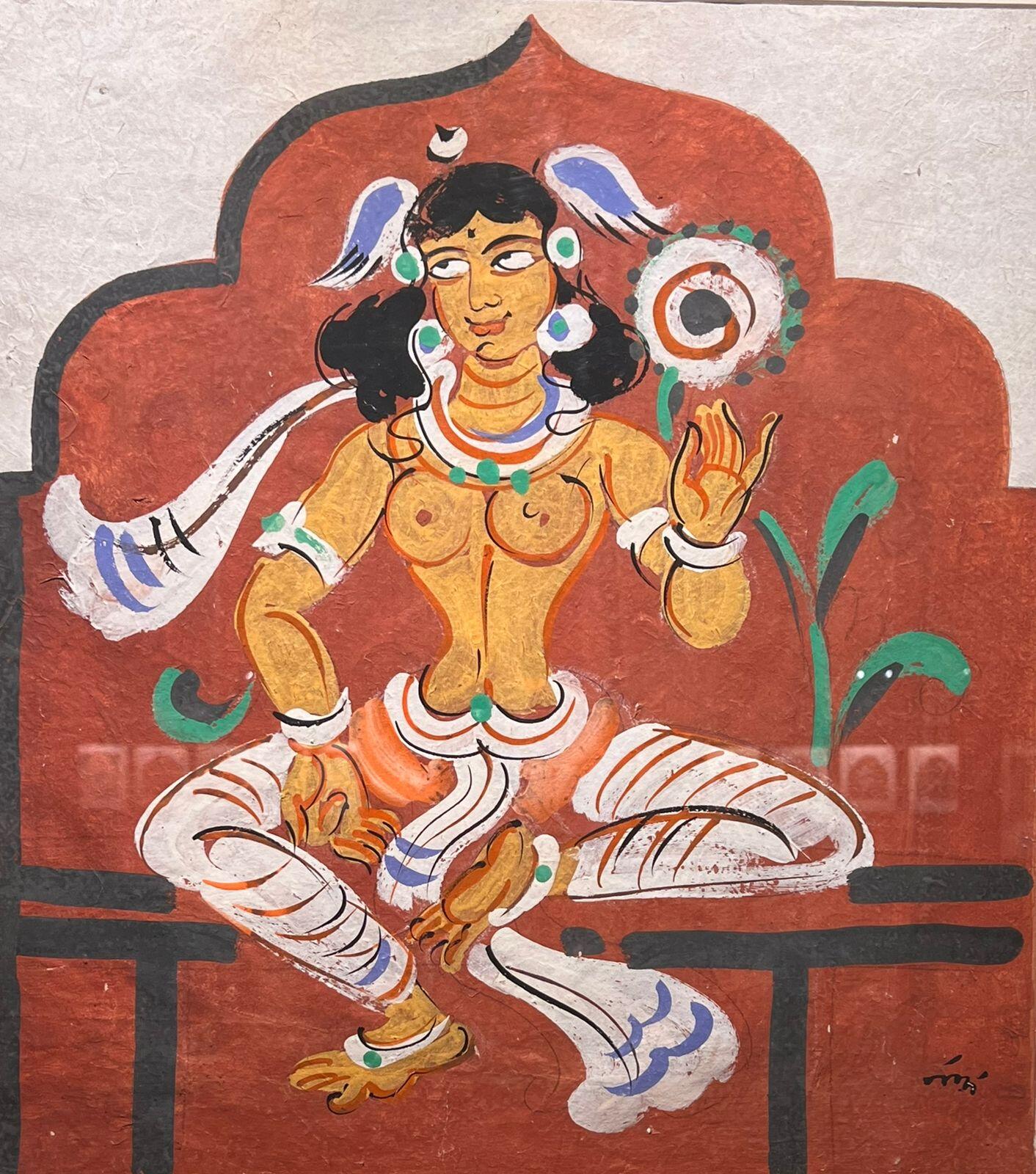
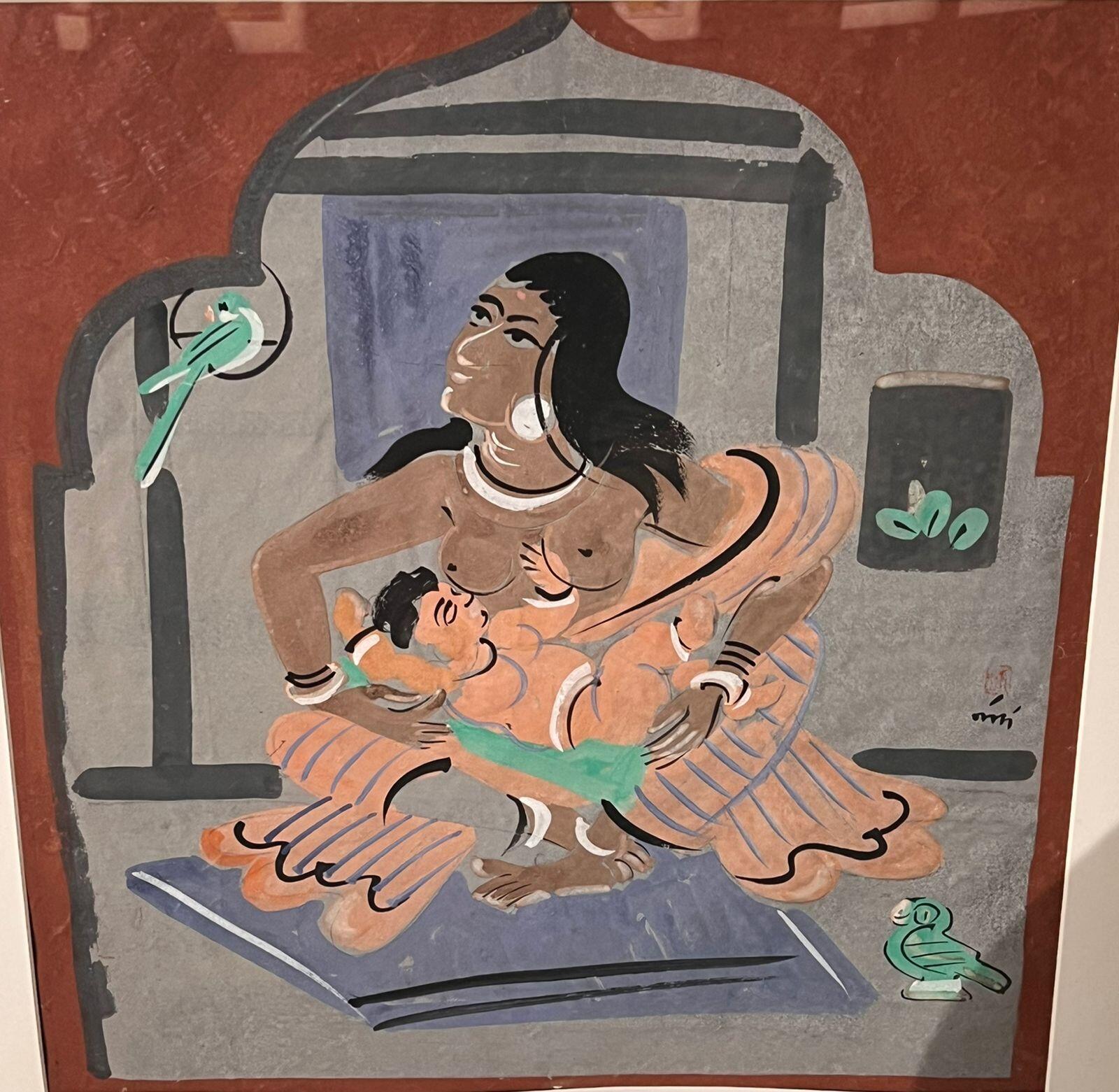
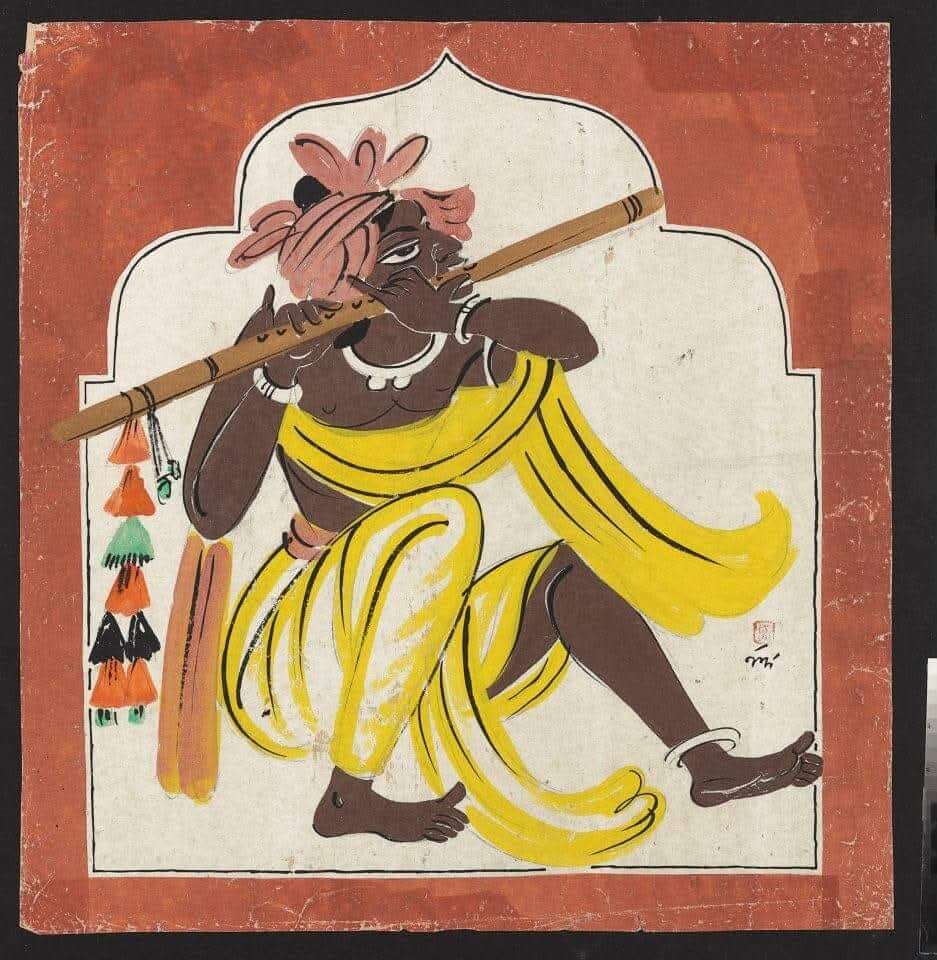
The Haripura Posters of Nandalal Bose are a lexicon of the beauty of ethos and the cultural fabric of India’s people. The Haripura posters celebrate India’s rural rhythms, they reflect an earthy colour palette and robust energetic lines with a vivid modernist, graphic quality. These posters are about different activities, professions and trades in the moments of village daily life and they create a picturesque continuum. Nandalal observed reality around him and these were developed from rapid sketches he did during his survey of rural areas and people living near the location.The warmth of living life to the fullest is what Nandalal evokes from beginning to end.
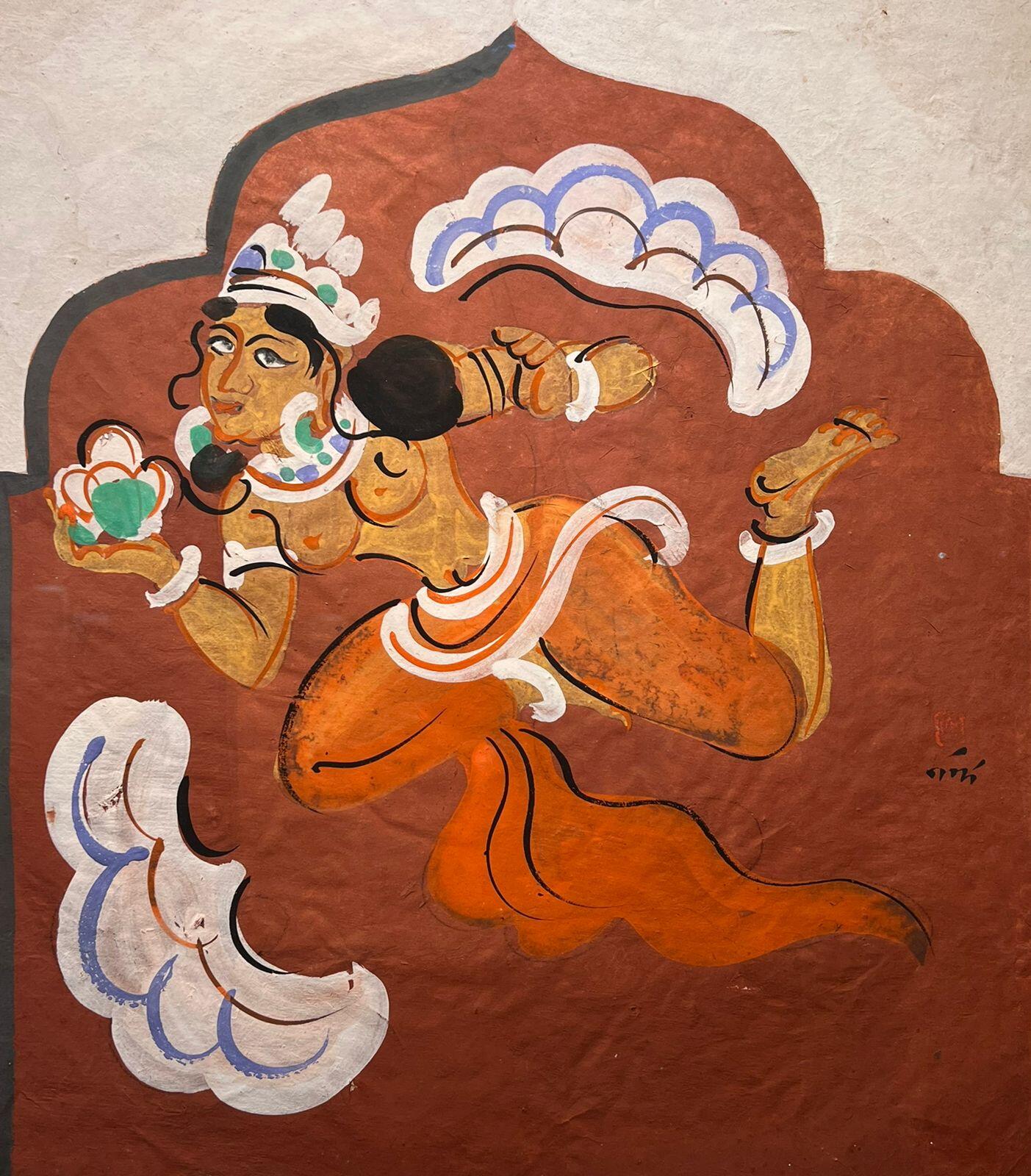

Women as subject
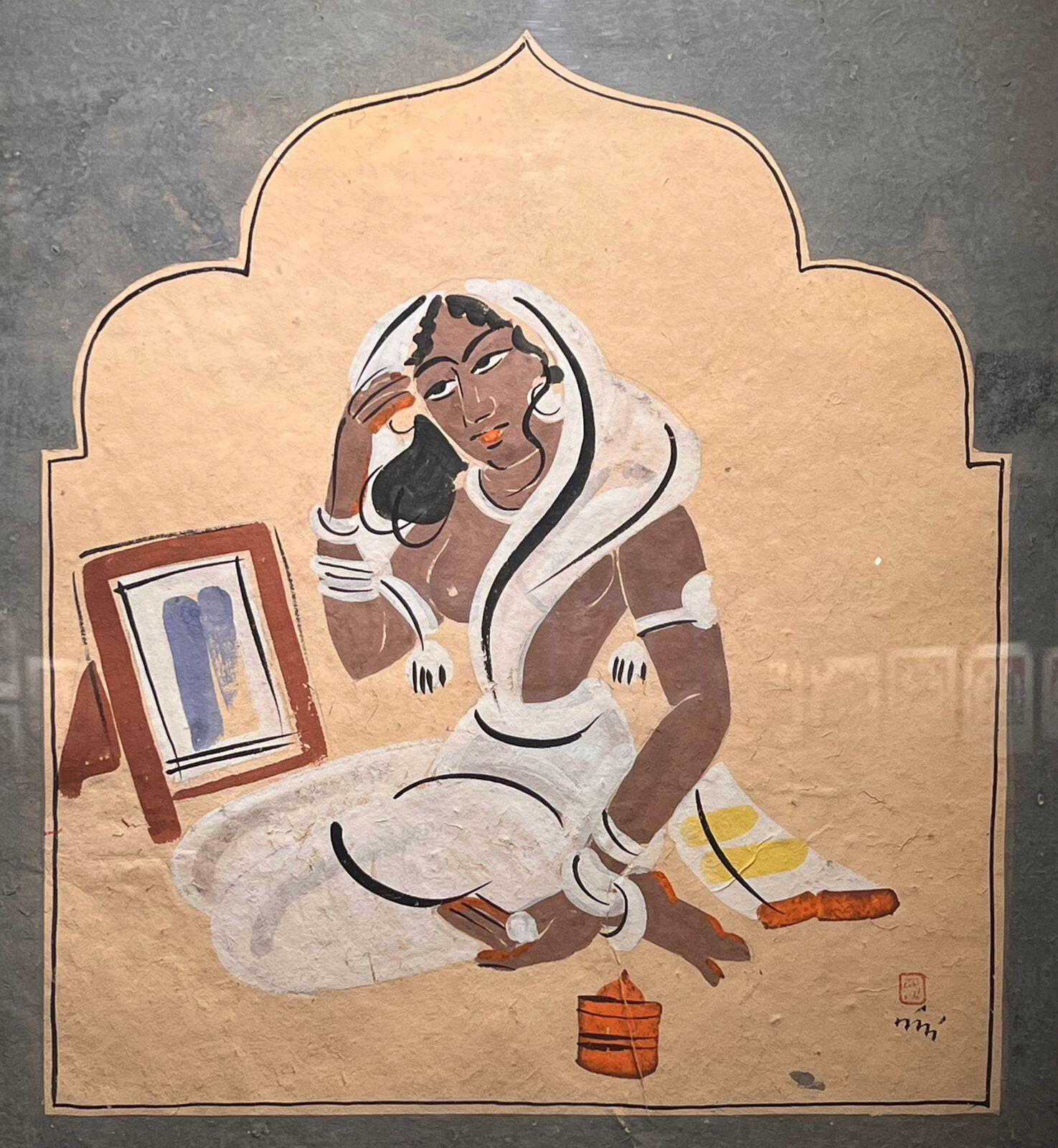
A number of posters reveal women as subjects, whether pounding the grain or playing an instrument or even the lady with the mirror, what stands out is his fluidity with contours and his felicity for painting them dark skinned in a natural non linear narrative that is filled feminine fervour.
Women of all ages visited his posters, and all of them had a gaiety and poise of purpose. ‘ A profound spirituality underlies these works, for he adhered to the advaita Vedantic tenet that one god through playful creative activity (lila) generated the world in all its multiplicity, and that there is a divine life rhythm (pranachhanda) pervading and unifying all of creation.’
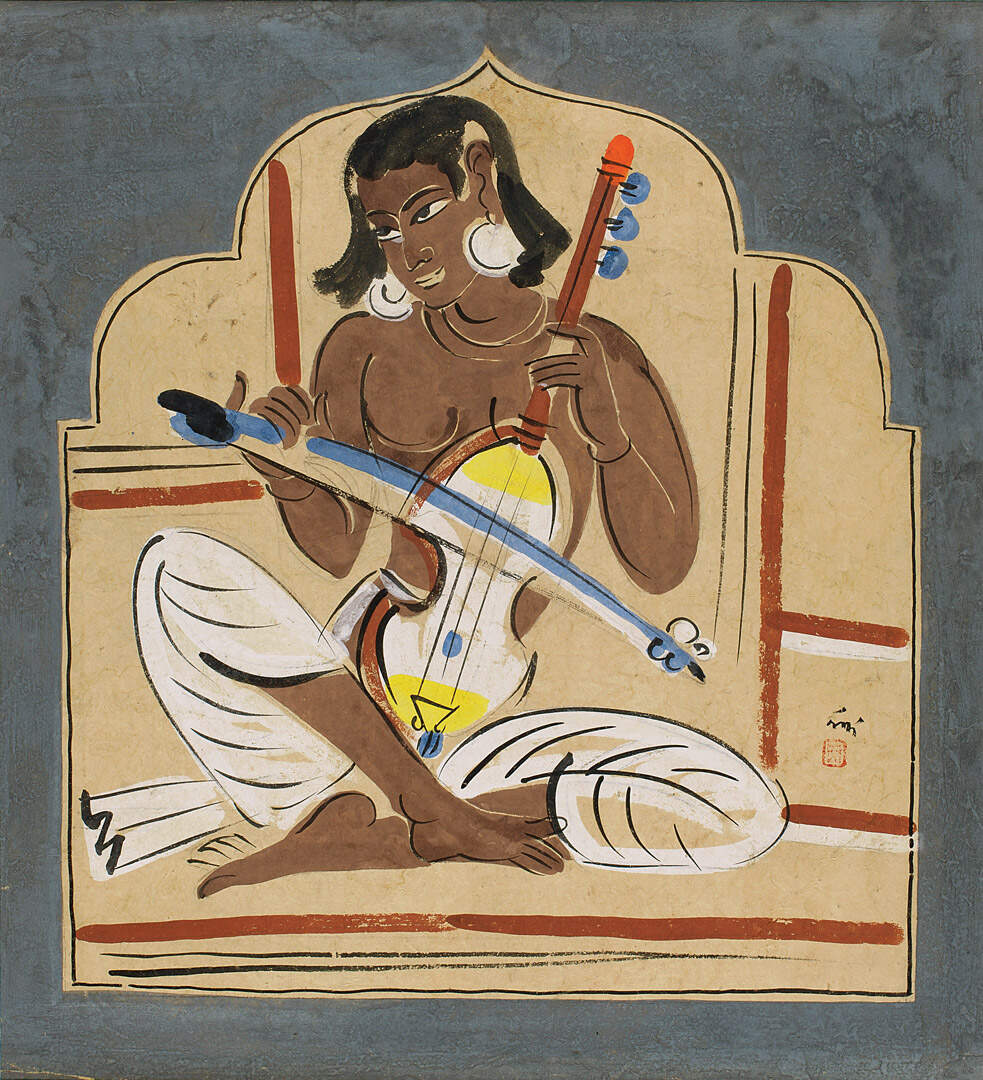

Musicians
Nandalal’s musicians are a delight to behold.The Esraj player and the sitarist,flautist and many others add joy and gaiety of Indian traditions in melodic verve and vivacity. ‘ The Universe has come out of Ananda [supernal delight],’ says the Upanishad. Nandalal reflects this delight that transcends the waves of life’s leanings.The spiritual quest is woven into the reality of their lives.
Nandalal later wrote in Silpakatha in 1944, the year he published the ideas he had been developing over the previous three decades: “ This delight includes and transcends all joys and sorrows. All artists work out of these creative delights; this decides whether any work is creative or not. The purpose of [true] art is to capture that rhythm of delight inherent in all creation, within their movement and measure. Art has some similarities with the spiritual quest (yoga). The spiritual quest drives towards the recognition of the essential unity at the center of the diversity of creation, of the One by which you know all.”
For the Director NGMA Mumbai, Nidhi Choudhari, Nandalal Bose was an artistic genius who sought freedom and independence not just for his art, but for his country. His life and work embodies the universal spirit of liberation – of the mind, the body, and the brush – and is a testament to the boundless power of art in uniting humanity.
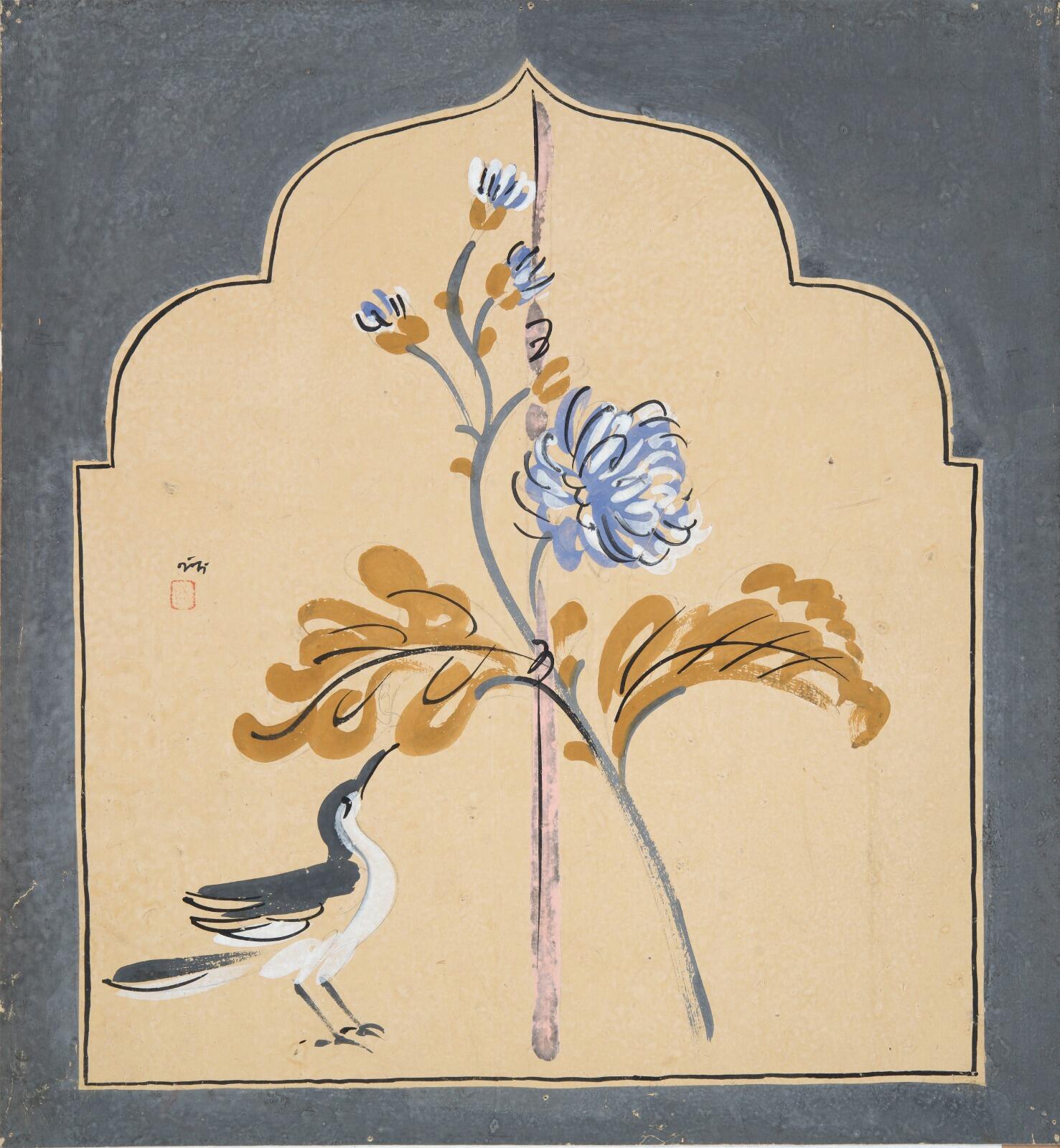

Haripura and harmony
In these Haripura panels painted for the session, there is a rare harmony of tradition and study based on observation. Each poster is different from the next in form as well as in colour and yet there runs all through a strong undercurrent of emotional unity, lending a familial stamp. The little vignettes of decorative elements add a sense of aesthetics that weave into the context of a cultural fabric that melded man and nature. The single still life of a little bird and a flowering plant is a study in the hallmark of simplicity and botanical brilliance.The depth of this exhibition is the design dynamics of display and the whispered continuum of Indian history.
The artist hasn’t really looked at any ideals that were either traditional or modern, but Nandalal kept an eye on the contemporary situation of that time, and worked in the firmament of his own goal.

And we recall the words of Mahatma Gandhi : “For he [Nandalal] is a creative artist and I am none. God has given me the sense of art but not the organs to give it concrete shape. He blessed Sjt. Nandalal Bose with both.” – Mohandas K. Gandhi (Collected Works of Mahatma Gandhi, New Delhi, 1976, vol. 64, p. 171)
Then at NGMA Mumbai , if we note the beauty of the stream of form and colour which flows over the varied subjects, we could say that the hallmark of the Haripura posters is that the hand of the master Nandalal Bose brings these posters into a rare kinship with the art of the mural.
Disclaimer
Views expressed above are the author's own.





Top Comment
{{A_D_N}}
{{C_D}}
{{{short}}} {{#more}} {{{long}}}... Read More {{/more}}
{{/totalcount}} {{^totalcount}}Start a Conversation